Uyuni Tour Comparison Guide
There are 5 ways to explore Uyuni - from $30 day trips to multi-day desert circuits. Compare routes, prices, and starting points to choose the best option for your itinerary.
Compare exact inclusions and endpoints rather than price tiers alone. A higher price does not establish vehicle quality, private rooms or a different route.
Last updated: September 9, 2026
There are five main ways to experience the Uyuni region: a 1-day salt flat tour ($30-60 USD), a 3-day circuit from Uyuni ($150-280 USD), a 3-4-day tour from San Pedro de Atacama ($180-350 USD), a 4-day tour from Tupiza ($170-250 USD), and a private tour at any duration. The itinerary overlaps significantly across starting points – the same colored lagoons, geysers, and salt flat appear in all multi-day options. What actually differs is direction of travel, which landscapes you see first, altitude profile, price, and how it fits your broader itinerary. The 3-day tour from Uyuni is the most popular for good reason: it is the most affordable, the most flexible, and serves the largest range of onward travel options. The Tupiza start is best for travelers coming from Argentina. San Pedro suits those already in Chile. The 1-day tour is right only for those with genuine time constraints.
The shared three-day circuit is the starting comparison for salt flats plus lagoons; the decision tool also covers shorter trips, private hotels and Chile departures. Check Three-Day Uyuni Dates
What Are the Main Uyuni Tour Options and How Do They Differ?
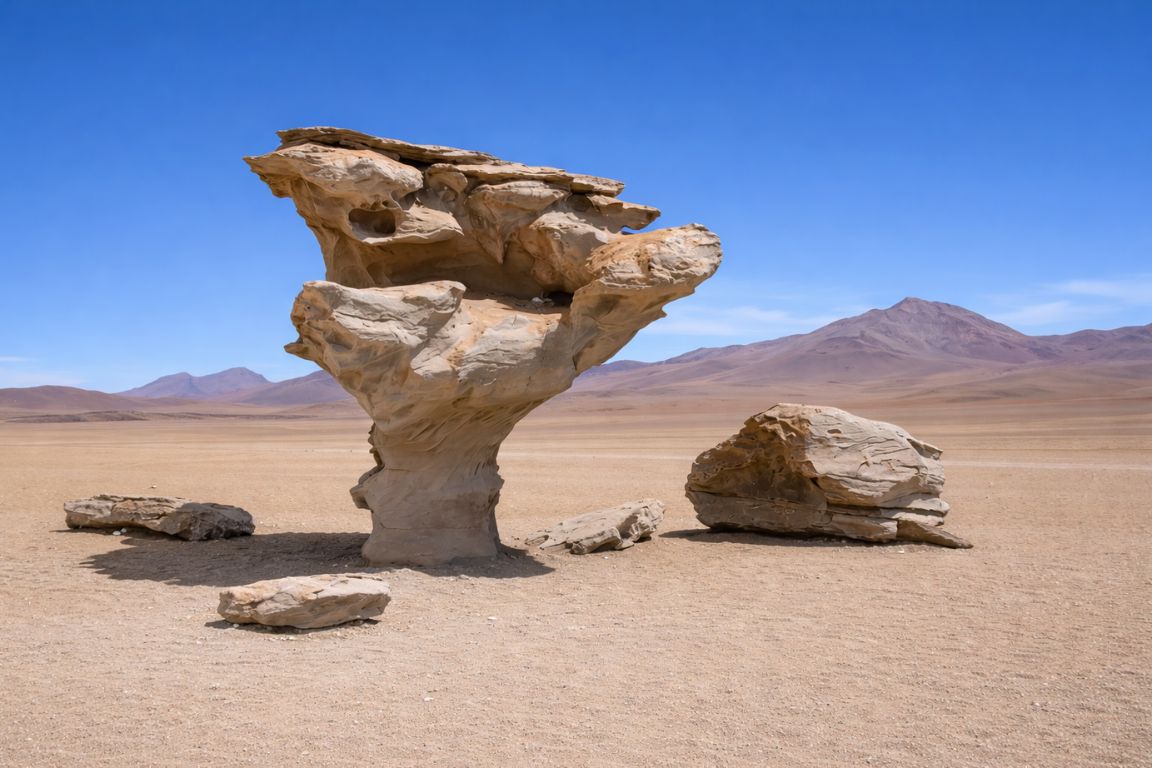 There are five distinct Uyuni tour formats, each suited to a different traveler profile and itinerary. The 1-day tour from Uyuni covers the salt flat only. The 3-day tour from Uyuni covers the full circuit including the colored lagoons and geysers, and is the standard benchmark all other options are measured against. The 3 to 4-day tour from San Pedro de Atacama covers the same circuit in reverse, starting in Chile and ending in Bolivia. The 4-day tour from Tupiza adds unique canyon and colonial landscapes not available from any other starting point. And private tours at any duration give one group exclusive use of the jeep. The itinerary core is largely the same across all multi-day options – the differences are direction, duration, price, and geography.
The critical thing to understand about Uyuni tour options is that the landscape you’re touring – the Eduardo Avaroa Reserve, the colored lagoons, Sol de Mañana, and the salt flat – is the same regardless of which format you choose for a multi-day experience. Laguna Colorada looks the same from a Uyuni-start jeep and from a San Pedro-start jeep. The Árbol de Piedra doesn’t change based on which direction you approach it from. What changes is the order of stops, the altitude profile, the cost, and critically – how the tour fits the geography of the broader trip you’re taking. That last point is the most practical guide to which format makes sense.
Wondering how to pull it all together? Our guide on how to visit Salar de Uyuni tours walks you through everything from La Paz to the salt flats without any guesswork about tour companies or altitude challenges.
| 1-Day from Uyuni | ~7-8 hours | $30-60 USD | Salt flat only; very limited time | Lagoons, flamingos, geysers, hot springs, Dalí Desert, Laguna Verde |
| 3-Day from Uyuni | 3 days, 2 nights | $150-280 USD | Most travelers; most flexibility; best value | Tupiza’s canyon landscapes (days 1-4 Tupiza only) |
| 3-Day from San Pedro de Atacama (ending Uyuni) | 3 days, 2 nights | $180-350 USD | Travelers already in Chile; natural itinerary flow Chile → Bolivia | Same circuit as Uyuni start – just in reverse; typically pricier |
| 4-Day from San Pedro de Atacama (returning) | 4 days, 3 nights | $220-450 USD | Travelers who want to return to Chile after the circuit | Same circuit; one extra day for return travel |
| 4-Day from Tupiza | 4 days, 3 nights | $170-250 USD | Travelers from Argentina; unique canyon landscapes on day 1 | Train Cemetery (usually last stop); Isla Incahuasi last not first |
| Private tour (any format) | 1, 3, or 4 days | 50-100% premium above shared price | Couples, families, photographers; anyone wanting full schedule control | Nothing – same circuit, same stops, private vehicle |
How Does the 1-Day Tour Compare to the 3-Day Tour?
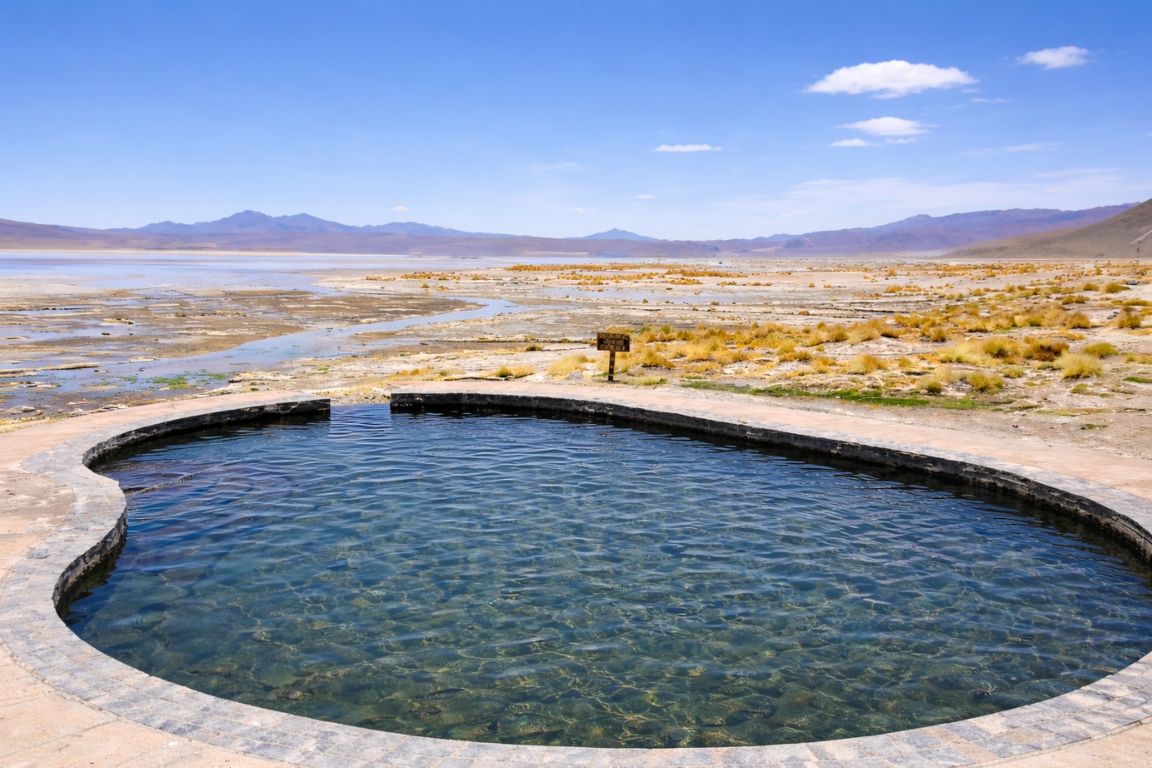 The 1-day tour and the 3-day tour cover completely different amounts of territory. The 1-day tour visits the salt flat only – Train Cemetery, Colchani, the flat, Isla Incahuasi, and a sunset. The 3-day tour covers the same first day, then adds two more days through the Eduardo Avaroa Reserve: five flamingo lagoons, the Siloli Desert, Laguna Colorada, the Sol de Mañana geyser field at 5,000 meters, Polques hot springs, the Salvador Dalí Desert, and Laguna Verde. Day one of the 3-day tour is essentially identical to the full 1-day tour. Days two and three take you into a completely different landscape that the 1-day tour never visits.
The destinations that dominate travel photography of the “Uyuni experience” – Laguna Colorada with its red water and flamingos, the steam columns at Sol de Mañana, Laguna Verde at the foot of Licancabur Volcano – are exclusively on days two and three of the 3-day circuit. The 1-day tour contains none of them. This is worth stating directly because travelers who choose the 1-day tour for budget or time reasons sometimes arrive expecting to see the same things they’ve seen in photographs, and those photographs were taken on the extended circuit, not on the salt flat.
We’ve created a detailed Salar de Uyuni tours photography guide because shooting the salt flats is tricky – all-white landscapes blow out exposure, reflections require specific conditions, and getting perspective tricks right takes planning.
| Train Cemetery | Yes | Yes (day 1) |
| Salt flat, perspective photos, mirror effect | Yes | Yes (day 1) |
| Isla Incahuasi (Cactus Island) | Yes (dry season) | Yes (day 1, dry season) |
| Sunset on the flat with wine | Yes | Yes (day 1) |
| Salt hotel accommodation | No – return to Uyuni hotel | Yes (night 1) |
| Flamingo lagoons (Cañapa, Hedionda, etc.) | No | Yes (day 2) |
| Siloli Desert and Árbol de Piedra (Stone Tree) | No | Yes (day 2) |
| Laguna Colorada (red lake, 40,000+ flamingos) | No | Yes (day 2) |
| Sol de Mañana geysers (5,000m) | No | Yes (day 3 at 5am) |
| Polques hot springs | No | Yes (day 3) |
| Salvador Dalí Desert | No | Yes (day 3) |
| Laguna Verde (at Chilean border) | No | Yes (day 3) |
| Cost per person (shared group) | $30-60 USD | $150-280 USD |
| Max altitude reached | 3,656m (salt flat) | ~5,000m (geysers) |
| Nights in accommodation on circuit | 0 (return to Uyuni hotel) | 2 (salt hotel + refugio) |
The 1-day tour is the right choice in two specific situations: you genuinely have only one day in Uyuni and need to move on, or you are uncertain about your altitude tolerance and want to test the salt flat (at 3,656m) before committing to the 3-day circuit which reaches 5,000m. It is not the right choice if you’re making a significant journey to Uyuni and have any flexibility in your schedule. The additional cost of the 3-day tour – roughly $120 to $220 USD more per person – covers two nights of accommodation and two extra days of food and transport, making the daily rate for the added days remarkably good value for what you’re seeing.
Planning the full salt flat experience? I’ve put together a complete 3-Day Salar de Uyuni tours guide covering what’s included each day, where you sleep, and whether this standard tour length delivers enough versus being too long on rough altiplano roads.
What Is the Difference Between a Shared and Private Uyuni Tour?
 A shared tour places your group in a jeep with strangers – up to six passengers plus the driver/guide – and operates on a fixed schedule determined by the group’s consensus and the driver’s experience. A private tour gives your group exclusive use of the entire jeep: your schedule, your pace, your bathroom stops, your stops extended when you want more time, shortened when you’ve seen enough. The price premium for private is typically 50 to 100% over shared for the same number of days. For the 1-day tour, private starts around $80 to $100 USD per person. For the 3-day tour, private costs roughly $350 to $500 USD per person or, for a group of five to six, may approach the same per-person price as a shared tour.
The practical differences are significant for specific traveler types. Photographers who need to stay at a location until the light is right, or who want the perspective photo session to run longer than the group’s collective patience. Couples who want to experience the flat without coordinating with strangers. Families with children who need bathroom stops on their schedule rather than the group’s. Senior travelers who need a slower pace. Any traveler with specific interests – geology, flamingo behavior, astrophotography – that a shared group won’t accommodate without frustration. For budget backpackers joining a shared group and meeting other travelers on the road, the shared tour offers its own value: the social experience is part of what people remember.
If you’re concerned about altitude and stamina, here’s the honest take on Salar de Uyuni tours for seniors based on what’s realistically manageable at 3,600m with basic facilities and long bumpy 4WD rides.
A practical note on private tour economics: at five or six passengers – a full family or a friend group – the per-person cost of a private tour often approaches or matches a shared tour price. Private tour operators quote by vehicle, not by person, so the more people splitting the cost, the closer private comes to shared pricing. Two people going private pay roughly twice the per-person rate of a shared tour. Six people going private frequently pay within 20% of shared pricing. If you’re traveling with a group of four or more, the math of going private usually makes sense regardless of the other considerations.
Curious about independent travel? Our guide on can you visit Salar de Uyuni without a tour covers what’s legally allowed, what equipment you need, and whether the cost and risk savings justify skipping organized tours.
How Do Tours Starting from Uyuni Compare to Tours from San Pedro de Atacama?
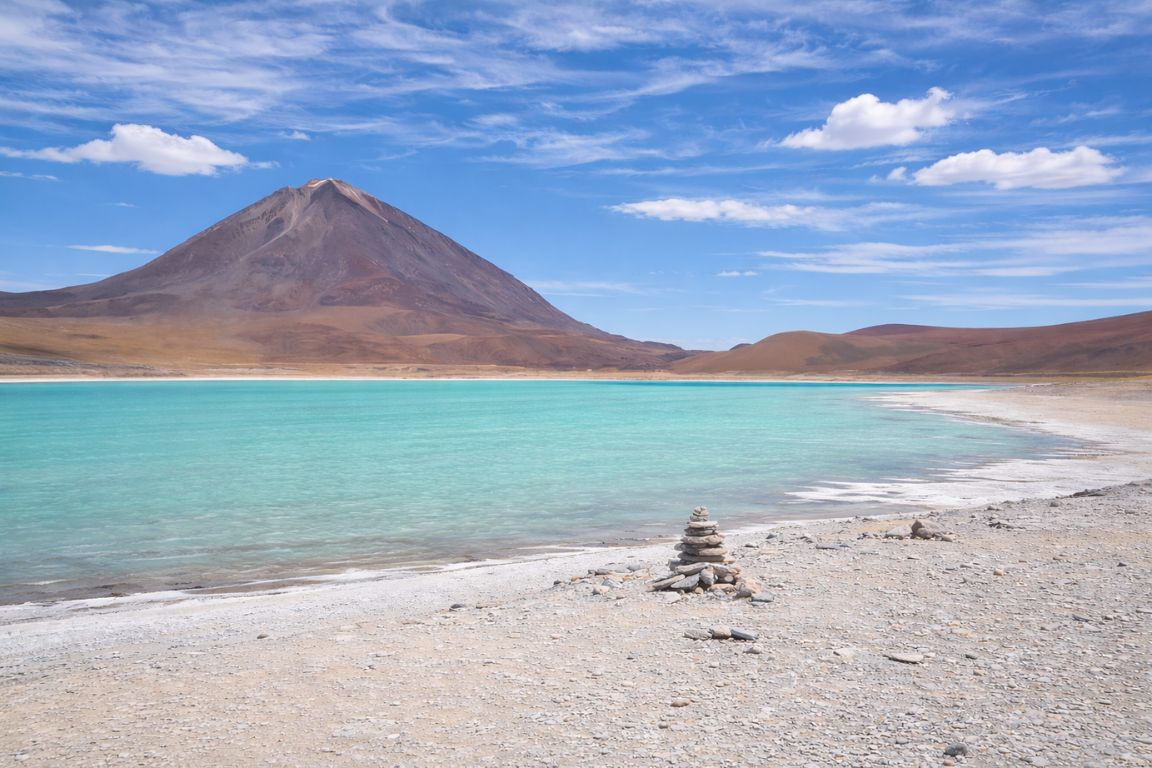 Tours starting in Uyuni and tours starting in San Pedro de Atacama cover essentially the same circuit – the same colored lagoons, same geysers, same salt flat – in opposite directions. Starting from Uyuni is cheaper (no Chilean agency commission, no border transfer cost), easier to book on arrival, and gives you the salt flat first on day one when energy is highest. Starting from San Pedro de Atacama is the natural choice for travelers already in Chile who want to connect to Bolivia without backtracking, but it costs $30 to $70 USD more per person, hits the highest altitudes on day one from a lower acclimatization base, and requires more advance planning for the border crossing and documentation.
The altitude profile difference is meaningful. Starting from Uyuni, day one is spent at 3,656 meters on the salt flat – high but manageable. Days two and three escalate to 4,300 meters and then 5,000 meters. Starting from San Pedro de Atacama (at 2,400 meters), day one crosses the border at 4,400 meters and visits the geyser field at 5,000 meters on the same day. This means the most extreme altitude of the entire circuit is hit on day one – before the body has had any time at moderate altitude to begin adapting. Travelers arriving at San Pedro directly from lower elevations who immediately begin a San Pedro-to-Uyuni tour without 2 to 3 days of acclimatization in San Pedro consistently have the hardest day-one experiences on the circuit. The Uyuni-start direction is more forgiving on altitude.
Need altitude guidance? Our Salar de Uyuni tours altitude and preparation guide covers how to acclimatize properly, what symptoms to watch for, and what medications and gear actually help at extreme elevation.
On price: San Pedro-start tours typically cost $30 to $70 USD more per person than equivalent Uyuni-start tours. This premium covers the Chilean agency coordination, the border transfer logistics, and higher baseline costs in Chile versus Bolivia. Budget travelers who have the flexibility to reach Uyuni first will find the Uyuni-start option significantly cheaper. Travelers already in San Pedro and not wanting to backtrack will find the premium reasonable for the logistical convenience.
Direction of travel also affects the order of emotional peaks. Starting from Uyuni, you see the salt flat first – the most famous landscape – then progress through the lagoons and geysers, building toward the finish at Laguna Verde on the Chilean border. Starting from San Pedro, the geysers and red lagoon come first and the salt flat is saved for last. Both directions have advocates: Uyuni-first gives you the iconic experience early and lets the circuit be a series of surprising additions. San Pedro-first saves the flat for the finale, which some travelers find more satisfying as a climax. Neither is objectively better.
If you’re planning the overland route, here’s everything about Salar de Uyuni tours from San Pedro de Atacama so you understand what’s involved in the 3-4 day border-crossing journey through the altiplano.
How Do Tours Starting from Tupiza Compare to Standard Uyuni Tours?
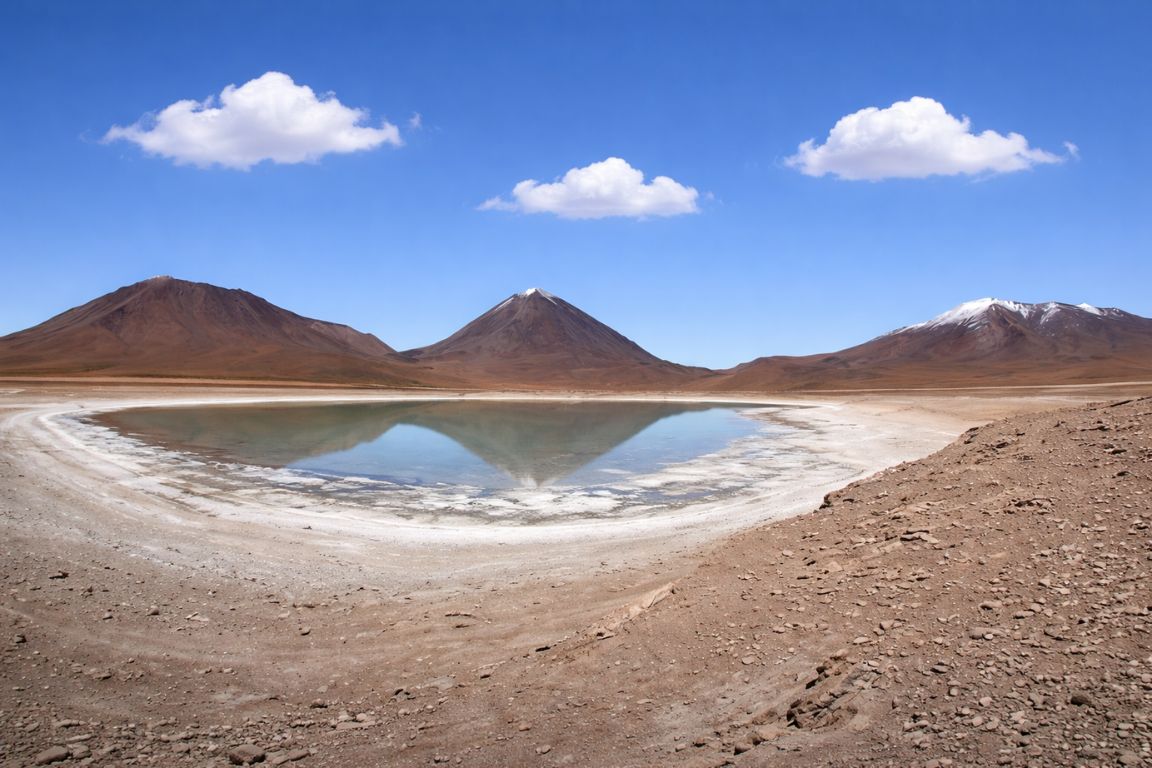 The Tupiza-start tour is the most complete option on the entire circuit and the least used which makes it a genuinely good choice for travelers who have the time and are approaching from Argentina. A 4-day Tupiza-to-Uyuni tour covers everything the standard 3-day circuit includes (all the lagoons, geysers, hot springs, Dalí Desert, Laguna Verde) plus an additional day through Bolivia’s southern canyon country: the Quebrada de Palapa, the abandoned colonial town of San Antonio de Lípez, and dramatically different rock formations and landscapes not seen on any other Uyuni tour format. It is more complete, slightly quieter (fewer groups traveling this direction), and often better organized – Tupiza’s operators receive consistently strong reviews for vehicle quality and guide reliability.
The route from Tupiza to Uyuni starts in the south of Bolivia near the Argentine border, at around 2,950 meters. Day one drives north and east through canyon landscapes that genuinely look nothing like the altiplano – red rock formations, winding valleys, remnants of colonial mining operations, high-altitude meadows with llamas. This day covers ground that no Uyuni-start or San Pedro-start tour visits. Day two enters the Eduardo Avaroa Reserve and the flamingo lagoon sequence. Days three and four follow the same circuit as the standard 3-day format, ending in Uyuni town.
Who should choose Tupiza: travelers arriving from Salta or northern Argentina, for whom Tupiza is a natural first stop in Bolivia. Travelers who specifically want the most complete version of the circuit. Photographers looking for the unusual canyon landscapes on day one. Anyone who has read enough reviews to notice that Tupiza tour operators – particularly Tupiza Tours and Torre Tours – consistently receive better safety and quality reviews than the median Uyuni operator. The Tupiza market is smaller, which keeps operators more accountable and less likely to run high-volume, low-quality operations.
Who should not choose Tupiza: travelers coming from La Paz or Peru who would need to take a very long bus south to Tupiza before starting the tour heading north again – the backtracking negates the advantage. Travelers on tight schedules who cannot spare the extra day. And anyone for whom the canyon landscapes of day one sound less interesting than getting straight to the altiplano.
What Is the Difference Between Budget, Mid-Range, and Premium Tour Tiers?
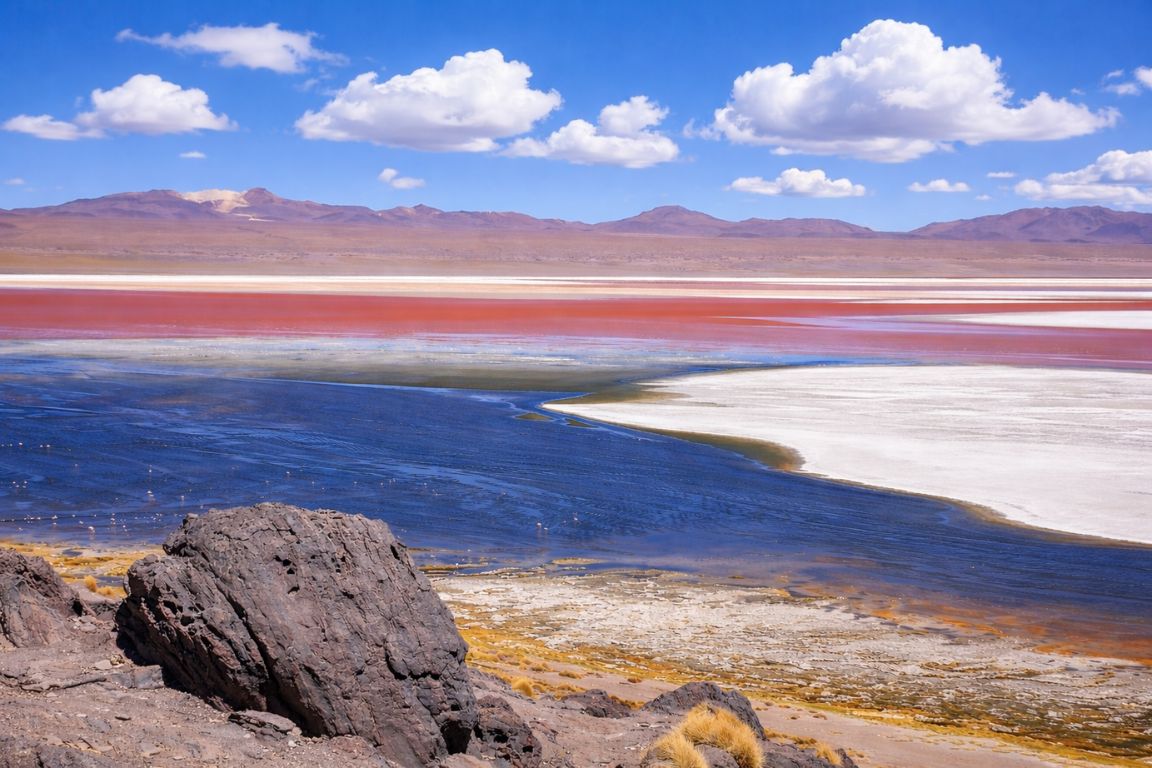 The three pricing tiers for the 3-day Uyuni circuit – budget ($150 to $180 USD), mid-range ($180 to $250 USD), and premium ($250 to $350 USD and above) – produce different experiences in four specific areas: vehicle condition and group size, accommodation quality, meal quality and preparation hygiene, and guide language and engagement. The scenery is identical across all three tiers. You see the same Laguna Colorada, the same Sol de Mañana geysers, the same Laguna Verde. What differs is the comfort, safety, and informational quality of the experience getting to and from those places.
Vehicle condition is the most safety-critical variable between tiers. The circuit covers 900 to 1,000 kilometers of rough unpaved terrain at extreme altitude with no roadside assistance. A budget operator running an older Land Cruiser with high mileage and questionable maintenance history produces a different – and genuinely riskier – experience than a mid-range operator running a well-maintained vehicle with proper tires. Flat tires are common on the circuit; how quickly and competently the driver handles them varies. Vehicle suspension quality is also a real comfort issue over multiple days of rough driving – blown shocks produce jarring, exhausting rides that are qualitatively worse than properly maintained suspension.
Group size varies predictably by tier. Budget tours routinely fill jeeps to seven passengers – technically the vehicle’s capacity but genuinely cramped for three days. Mid-range tours aim for five to six passengers. Premium or private tours give four or fewer passengers the same space. The difference between seven people and four in the back of a Land Cruiser over three days of rough driving is not trivial, particularly for the long driving days of day two through the lagoon circuit.
| Passengers per jeep | 6-7 | 4-6 | 2-4 (often private) |
| Vehicle condition | Variable – older fleet, higher mileage | Generally well-maintained | Newer vehicles, verified maintenance |
| Night 1 accommodation | Basic salt hostel, shared room | Salt hotel, often private room option | Best available salt hotel, private rooms standard |
| Night 2 accommodation | Basic shared dormitory refugio | Private room option available | Private room standard; better refugios |
| Meals | Simple, cooked in jeep or basic kitchen | Better quality, more variety | Full table setting on flat, higher quality food |
| Guide language | Often Spanish only or minimal English | English typically included | Strong English; dedicated guide separate from driver |
| Oxygen on vehicle | Rarely included | Sometimes included | Usually included as standard |
| The scenery | Identical | Identical | Identical |
The meal situation at the budget tier deserves honest description. Food is cooked by the driver or a companion in the back of the jeep on rough dirt roads. Budget tours have produced food poisoning outbreaks – it is not frequent, but it is documented. Food prepared in a stable kitchen at the accommodation, which mid-range and premium tiers more reliably provide, is meaningfully safer. The risk is low overall but not zero, and for travelers with sensitive stomachs or health concerns, the tier difference on meals carries more weight than just comfort.
Which Uyuni Tour Should You Actually Book?
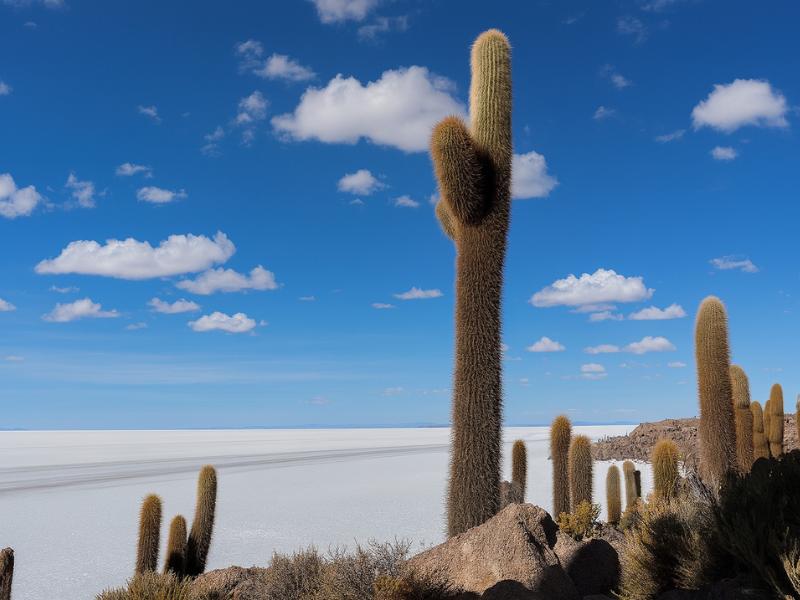
Book the 3-day shared tour from Uyuni at the mid-range price point ($180 to $220 USD per person) unless a specific factor of your itinerary or situation points to a different format. This is the tour that delivers the full circuit at reasonable cost, with enough quality investment to avoid the vehicle and food concerns that affect the budget tier. Upgrade to private if you are traveling with four or more people, have specific photography needs, or strongly value pace control. Choose San Pedro start if you’re already in Chile and continuing to Bolivia. Choose Tupiza start if you’re arriving from Argentina and want the most complete experience available. Choose the 1-day tour only if time genuinely does not allow the 3-day option.
The 1-day tour is the right choice if you have a hard departure from Uyuni the same evening, if altitude concerns have led your doctor to recommend avoiding elevations above 3,700 meters (the 3-day circuit reaches 5,000 meters), or if the salt flat is specifically what you came to see and the lagoon circuit is of lesser interest to you. In all other cases, the 3-day circuit represents substantially better value for the incremental cost.
Between private and shared: if there are four or more of you, run the numbers before defaulting to shared. A private jeep at $1,000 to $1,200 USD for the 3-day circuit divided by five people is $200 to $240 USD per person – not dramatically more than a mid-range shared tour, and you gain full schedule control, your own bathroom-stop timing, and the ability to stay at locations as long as you want. For couples at $500 to $600 USD each for private versus $180 to $220 USD shared, the premium is real and only worth paying if the schedule control specifically matters to you.
Between Uyuni-start and San Pedro-start: if you’re already in San Pedro and Bolivia is next, take the San Pedro tour. Don’t backtrack to Chile after reaching Bolivia just to take the same tour for less money. If you’re arriving in Bolivia from Peru or La Paz and haven’t yet visited Chile, the Uyuni-start tour is cheaper and simpler. If you’re arriving from Argentina, Tupiza is the right choice for both logistical and experiential reasons.
On booking timing: outside peak season (June to August and December to February), the 3-day tour from Uyuni can be booked on arrival in Uyuni with good options available. In peak season, 2 to 4 weeks of advance booking is advisable, particularly for mid-range and premium operators with better vehicles and English-speaking guides who sell out. The cheapest budget tours are almost always available last-minute; the better ones fill earlier.
If you’re flexible on dates, here’s the best time to visit Salar de Uyuni tours based on rainy season flooding, altitude cold, and which visual experience you’re actually after from the salt flats.
Planning Takeaways For Your Trip
Choose the itinerary around the experience you want, the time you have and the actual services included. Check the guide language, transport, overnight arrangements and extra costs on the selected listing.
Frequently Asked Questions
Is it worth paying extra for the 3-day tour over the 1-day tour?
For most travelers, yes. The 1-day tour covers the salt flat only – it does not include Laguna Colorada, the flamingo lagoons, the geyser field, the hot springs, or Laguna Verde. Those destinations are exclusively on the 3-day circuit. The additional cost of $120 to $220 USD per person for the 3-day tour covers two nights of accommodation and two days of food and transport – representing reasonable incremental value for the substantial increase in what you see.
Does it matter which direction I do the 3-day circuit – Uyuni first or San Pedro first?
The scenery is the same in both directions. The practical differences are altitude profile (Uyuni start is more gradual; San Pedro start hits 5,000 meters on day one), price (Uyuni start is typically $30 to $70 USD cheaper per person), and itinerary logic (San Pedro start suits travelers in Chile moving to Bolivia; Uyuni start suits travelers already in Bolivia). Neither direction produces a better natural experience – it depends on your itinerary geography and budget.
What does a private Uyuni tour actually cost?
Private 1-day tours run approximately $80 to $150 USD per person for solo travelers or couples. Private 3-day tours cost roughly $350 to $500 USD per person for two people, or significantly less per person when split among four to six. At five to six people, private tour per-person costs often approach parity with mid-range shared tours. Private tours are quoted per vehicle, not per person – so the larger your group, the more compelling the private option becomes economically.
Why are tours from San Pedro de Atacama more expensive than from Uyuni?
Several factors: Chilean agency commission layers onto the Bolivian operator cost; the border transfer logistics add cost; and San Pedro’s higher baseline cost of living versus Uyuni means operational costs are higher even before the border. The itinerary is essentially the same. The premium is roughly $30 to $70 USD per person and is worth paying for travelers already in San Pedro who don’t want to backtrack.
What makes the Tupiza-start tour different from the standard circuit?
The Tupiza tour adds a full day of canyon and colonial landscape before entering the Eduardo Avaroa Reserve – the Quebrada de Palapa, the abandoned colonial town of San Antonio de Lípez, and dramatic rock formations unique to this southern route. Days two through four cover the same circuit as the standard Uyuni tour. The Tupiza format is best for travelers arriving from Argentina and anyone who wants the most complete version of the southwest Bolivia experience. It typically takes four days and costs $170 to $250 USD per person.
Is the budget tier of the 3-day tour acceptable?
It can be, but with specific awareness of the trade-offs. Budget tours at $150 to $180 USD may run older vehicles with up to seven passengers, Spanish-only guides, and food prepared in moving jeeps. The scenery is identical – you see the same Laguna Colorada. The discomfort and safety variables differ. For travelers who have done similar rough-road, basic-accommodation tours elsewhere and know they can handle the conditions, budget is viable. For those who will be miserable in a cramped jeep on rough roads with no English explanation, the mid-range tier ($180 to $220 USD) is worth the increment.
Choose Your Uyuni Experience
Choose the itinerary that fits, then check your travel date before arranging onward transport or separate rooms.
Initial editorial recommendation. No preferences have been entered.
Salt Flats And Colored Lagoons
Combine the salt flats with colored lagoons, meals and an English-speaking driver-guide.
Lodging descriptions conflict on private bathrooms; confirm both nights. Park fees and the optional Chile transfer cost extra.Scheduled dates load automatically. Availability and final price are confirmed on Viator.
No verified tour meets all of these preferences. Adjust the choices below or reset.
Compare Options And Tailor Your Choice
- Salt Flats And Sunset Day Trip (9 hours): A full salt-flat day with lunch, an English-speaking guide and sunset. Rain boots included; Incahuasi entry costs extra. Colchani hotel pickup has a surcharge.
- Private Circuit With Hotel Lodging (3 days): A private salt-flat and lagoon circuit with an English guide, meals, park entries and hotel lodging. Palacio de Sal or Luna Salada and Tayka or similar hotels; confirm exact rooms. Chile transfer excluded. Prior acclimatization required.
- Private Salt-Flat Day With Sunset (8 hours): A private salt-flat day with an English-speaking guide, Uyuni pickup and a sunset finish. Booking ages 12–80. Non-refundable. Listed admission inclusions conflict with itinerary exclusions; confirm the full quote and vehicle access.
- San Pedro To Uyuni, Private Route (3 days): Travel from San Pedro through the lagoons to Uyuni with an English-speaking guide and two nights of lodging. First-night shared six-bed rooms are listed despite private transport. Confirm San Pedro meeting arrangements; park fees and drinks cost extra.
- Four Days From San Pedro And Back (4 days): Cross the lagoons and see sunrise on the salt flats, with transport back to San Pedro on day four. Spanish-speaking guide. Choose shared or private rooms. Entries extra; border or winter delays can affect return time. Booking ages 5–99.
- Three-Day Circuit With Basic Lodging (3 days): Visit the salt flats, colored lagoons, geysers and hot springs with meals and basic lodging. Choose the English-guide option. Cold basic rooms; sleeping bag included in winter or on request. Entries, water and Chile transfer extra. Not suitable for pregnancy, mobility impairments or pre-existing conditions.
Compare Your Complete Quotes
Use the same currency for both totals, including transport, rooms, meals and fees for your whole party.
Affiliate links: we may earn a commission when you book, at no extra cost to you.