Uyuni Altitude and Preparation Guide
Uyuni sits at 3,700m, and tours reach 5,000m. Learn how altitude really affects you, who gets sick (it’s not about fitness), and the simple steps that can prevent it.
Tour choice is a logistics decision, not medical clearance. Compare the route’s elevations with your clinician before choosing the day or lagoon itinerary.
Last updated: September 9, 2026
Uyuni town sits at 3,700 meters (12,139 feet). The salt flat itself is at 3,656 meters. On a 3-day tour, the Eduardo Avaroa Reserve pushes you above 5,000 meters at the Sol de Mañana geysers. Altitude sickness affects roughly 20-40% of visitors who ascend quickly without acclimatization. It is not predictable by fitness level. The foundation of prevention is gradual ascent: spend at least two full days resting in a mid-altitude city before your tour begins. Do not start the tour the day you arrive. Drink normally and avoid dehydration; do not force excessive water, avoid alcohol for the first 48 hours, eat light, and move slowly. If symptoms worsen despite rest at the same altitude, descent is the only effective treatment.
The salt-flat day returns to Uyuni and avoids the southern lagoon circuit’s overnight stays; it still takes place at high altitude. Check Uyuni Sunset Day-Trip Dates
Altitude at a Glance: Uyuni and the Tour Circuit
| Sea level (reference) | 0m / 0ft | 100% | Home for most travelers |
| Sucre, Bolivia | 2,750m / 9,022ft | ~73% | Recommended acclimatization stop |
| La Paz (southern zone) | ~3,200m / 10,499ft | ~68% | Common acclimatization stop |
| La Paz airport (El Alto) | 4,061m / 13,323ft | ~60% | On arrival by plane – high risk point |
| Uyuni town | 3,700m / 12,139ft | ~64% | Tour base – pre-tour nights here |
| Salar de Uyuni (flat) | 3,656m / 11,995ft | ~64% | Usually day 1 from Uyuni; final touring day from San Pedro |
| Laguna Colorada | ~4,300m / 14,107ft | ~59% | Usually day 2 from Uyuni; day 1 from San Pedro |
| Sol de Mañana geysers | ~5,000m / 16,404ft | ~54% – highest on tour | Usually day 3 from Uyuni; day 1 from San Pedro |
How High Is the Salar de Uyuni and Why Does Altitude Matter Here?
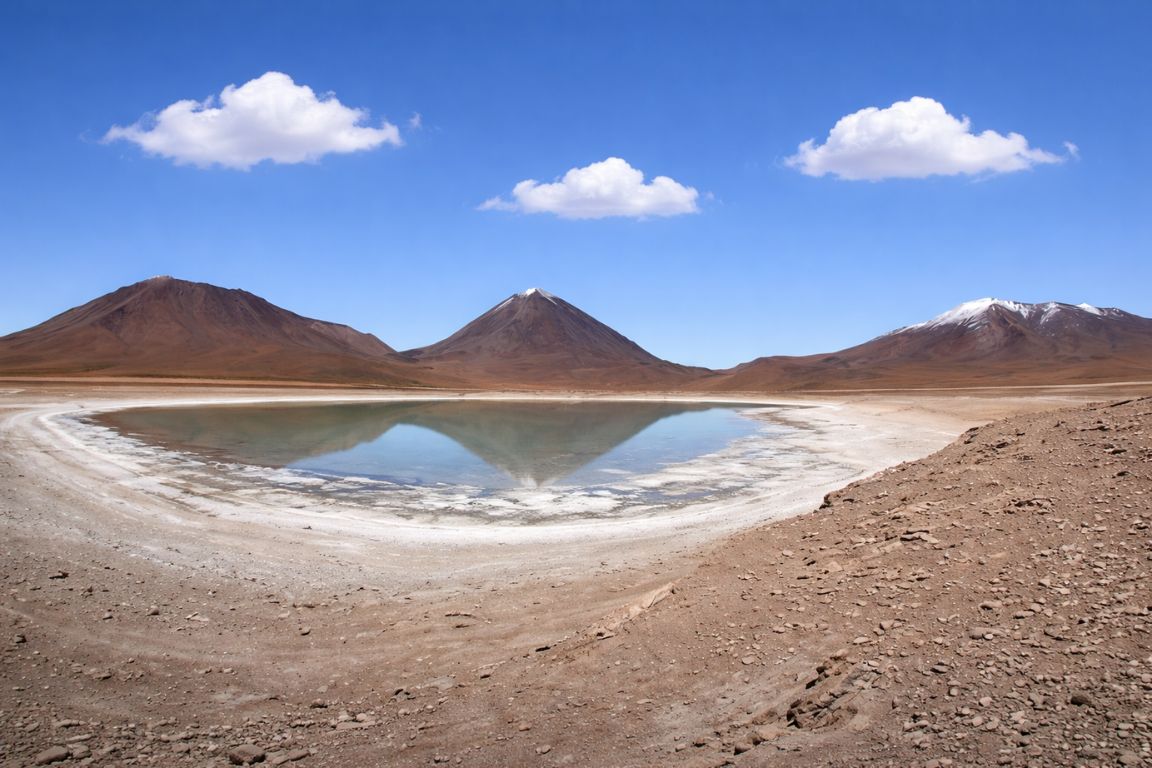 Uyuni town sits at 3,700 meters (12,139 feet) above sea level. The salt flat is at 3,656 meters. These figures don’t fully capture the challenge – a 3-day tour from San Pedro de Atacama takes you around 5,000 meters at the Sol de Mañana geysers, usually on day three from Uyuni or day one from San Pedro, where the available oxygen is roughly 54% of what you breathe at sea level. That’s less oxygen than is in a pressurized airplane cabin. And unlike a plane, there’s no pressurization system. What’s in the air is what your lungs get, and your body needs time to adapt.
The salt flat is at about 3,656 meters, while the southern circuit reaches roughly 5,000 meters. Physical fitness does not prevent altitude illness, and individual response varies.
The physiological reason altitude causes problems is straightforward. As elevation increases, air pressure decreases. Oxygen remains 21% of the air at any altitude, but each breath delivers fewer oxygen molecules because the air pressure is lower. At 3,700 meters, your body receives significantly less oxygen per breath than at sea level. The body compensates through several mechanisms – breathing faster, increasing heart rate, producing more red blood cells – but these adaptations take days to develop. Push into altitude too fast and the compensatory systems can’t keep up. That mismatch is altitude sickness.
What makes Uyuni particularly challenging compared to other high-altitude destinations is the combination of factors. The altitude itself is serious. The tour circuit goes significantly higher than the base. Medical facilities are limited or absent along the route – there are no hospitals on the Salar or in the remote southern circuit, and evacuation from the most remote points takes hours. And the tour structure means that once you’re in the jeep on day one heading into the Eduardo Avaroa Reserve, you must tell the guide about symptoms and must not continue ascending while unwell. Building proper preparation into the trip before you depart isn’t optional cautious travel – it’s the difference between an extraordinary experience and three days of misery in the back of a 4×4.
We’ve detailed Salar de Uyuni tours from San Pedro de Atacama because this cross-border route requires understanding operator quality, nationality restrictions for some tours, and whether the scenic journey justifies the rough conditions.
What Are the Symptoms of Altitude Sickness at Uyuni?
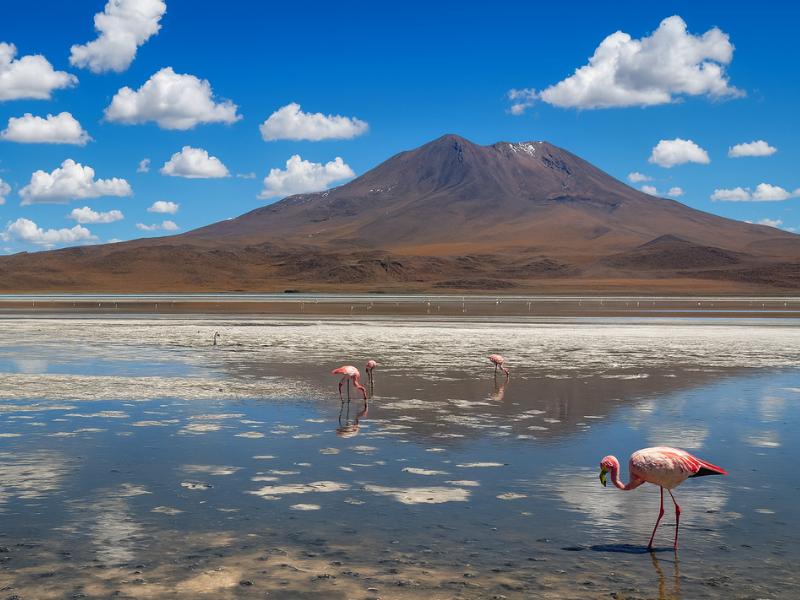
Acute Mountain Sickness (AMS) – the most common form of altitude illness – typically begins 6 to 24 hours after arriving at elevation, not immediately. Symptoms include headache (the defining symptom), fatigue, loss of appetite, nausea, dizziness, and disrupted sleep. Mild AMS feels similar to a bad hangover. Symptoms often improve with rest after one to two days if you stop ascending. Two more serious conditions – High Altitude Cerebral Edema (HACE) and High Altitude Pulmonary Edema (HAPE) – are rare but life-threatening and require immediate descent and emergency care.
A new headache with nausea, dizziness or fatigue after ascent can indicate altitude illness. Other causes are possible. Stop ascending and seek medical advice; worsening symptoms, confusion, poor coordination or breathlessness at rest require urgent action.
| Mild AMS | Headache, fatigue, mild nausea, loss of appetite, poor sleep | Common – manageable | Stop ascending, rest, hydrate, ibuprofen or paracetamol for headache |
| Moderate AMS | Severe headache, vomiting or significant fatigue; breathlessness at rest is an emergency warning | Concerning – act | Stop ascending; worsening symptoms require descent and medical assessment |
| HACE (brain swelling) | Confusion, loss of coordination (ataxia), altered mental status, extreme fatigue, possible hallucinations | Emergency | Immediate descent, emergency care, dexamethasone if available |
| HAPE (lung fluid) | Breathlessness at rest, cough, reduced exercise tolerance or blue-tinged lips | Emergency – can be fatal within 12 hours | Immediate descent, emergency care, supplemental oxygen if available |
A critical detail that most travelers miss: altitude sickness symptoms can take 6 to 24 hours to appear after arriving at a new elevation. Feeling fine when you step off the bus in Uyuni does not mean you’ve cleared the hurdle. Many travelers feel reasonable for the first few hours, then develop a headache by evening or wake up feeling terrible the next morning. This delayed onset is why the first 24 hours at a new altitude should be treated as the highest-risk period, regardless of how well you feel initially.
Sleep disruption is one of the less-discussed symptoms of altitude that significantly affects tour experience. At altitude, the body’s respiratory drive changes during sleep, leading to periodic breathing – cycles of breathing faster, then slower, sometimes with brief pauses. The result is restless, shallow, poor-quality sleep that leaves you feeling unrefreshed regardless of how many hours you spent in bed. This compounds the fatigue already caused by altitude, making the second day of a tour often harder than the first even if no other symptoms are present. Planning your most demanding days later in the tour, after a night or two of acclimatization, helps significantly.
How Should You Acclimatize Before Your Salar de Uyuni Tour?
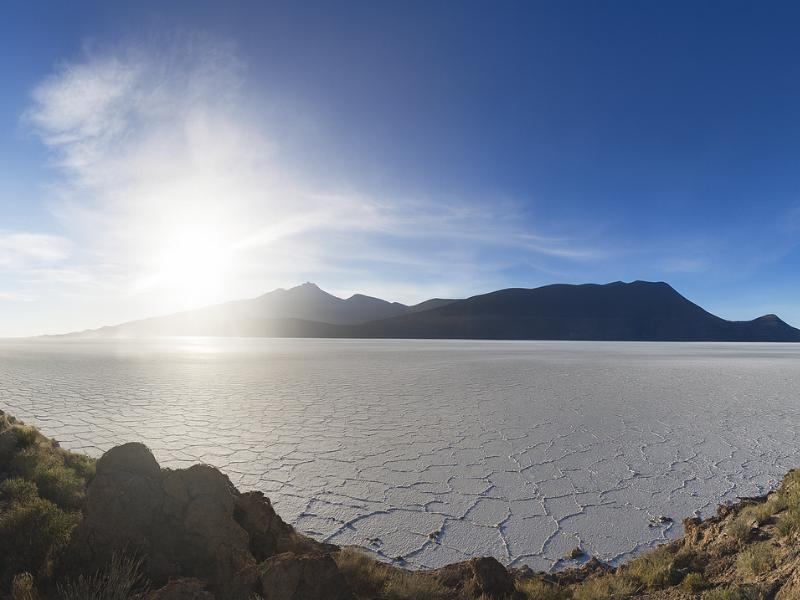
The single most effective thing you can do is allow time – at least two full days of rest at intermediate altitude before your tour begins. Spend those days in a city between 2,500 and 3,500 meters. Do not overexert. Do not drink alcohol. Maintain normal hydration and follow your clinician’s advice about fluid intake. The body cannot be rushed into acclimatization. No amount of fitness, willpower, or medication fully replaces time. The general medical guideline above 3,000 meters is to increase sleeping altitude by no more than 500 meters per night, with an extra acclimatization night for each 1,000 meters gained which means traveling from sea level directly to Uyuni (3,700m) to start a tour the next day is exactly the scenario most likely to produce altitude problems.
The best acclimatization cities for travelers heading to Uyuni are Sucre (2,750m) and Cochabamba (2,558m). Both sit at altitudes high enough to stimulate the body’s adaptation responses without being so high that adaptation is itself challenging. Both have plenty to see and do across two to three days. Sucre is roughly 8 hours by bus from Uyuni and is one of Bolivia’s most charming cities – colonial architecture, good restaurants, a real reason to be there rather than just waiting to acclimate. Cochabamba is a warmer, lower city with a different character. Either is a better acclimatization base than La Paz for travelers coming from low altitude, because La Paz’s airport at El Alto (4,061m) immediately forces a challenging elevation on arrival.
La Paz is the most common acclimatization stop because most international flights land there, not because it’s the ideal acclimatization city. If you do acclimatize in La Paz, stay in the southern districts (Miraflores, San Miguel, Calacoto) which sit at around 3,200 meters rather than the city center or El Alto. The altitude difference matters – sleeping at 3,200m instead of 3,700m accelerates your body’s adjustment for the eventual night in Uyuni.
The acclimatization rules that actually matter: sleep below your daytime maximum altitude. You can go higher during the day as long as you return to a lower elevation to sleep. Above 3,000 meters, increase your sleeping altitude by no more than 500 meters per night, with an extra acclimatization night for each 1,000 meters gained. Rest on arrival – the first 24 hours at any new altitude are the highest-risk period. Don’t exercise hard, don’t climb stairs quickly, don’t carry heavy bags unnecessarily. The body needs energy for acclimatization and physical exertion competes with that process.
If you’re feeling overwhelmed by the planning, here’s how to visit Salar de Uyuni tours so you don’t waste time figuring out tour bookings and altitude acclimatization on the fly.
What Medications and Remedies Actually Help at Uyuni’s Altitude?
Discuss altitude medicines with a clinician before travel, including suitability, timing, dose, allergies and interactions. Medication does not replace a sensible ascent plan or urgent descent when illness worsens. Coca products are not a reliable prevention or treatment for altitude illness.
Discuss altitude medicines with a clinician before travel, including suitability, timing, dose, allergies and interactions. Medication does not replace a sensible ascent plan or urgent descent when illness worsens. Coca products are not a reliable prevention or treatment for altitude illness.
What acetazolamide does not do: it does not mask symptoms of worsening altitude illness. This is important because some travelers worry that medication might hide a deteriorating condition. Acetazolamide’s mechanism actually aids genuine acclimatization – your body adjusts faster, rather than having symptoms suppressed while the underlying problem remains. Dexamethasone (a steroid) is different – it masks symptoms without aiding acclimatization and is generally reserved for emergency treatment rather than prevention.
Coca leaves deserve an honest assessment. They are available everywhere in Bolivia without restriction, culturally important, and widely used by Andean locals. The alkaloids in coca leaves have mild stimulant and analgesic properties that may take the edge off a mild altitude headache. Clinical studies have not demonstrated that coca in any form prevents or treats AMS, and medical guidelines from the American Academy of Family Physicians explicitly state they are not recommended for AMS prevention. Traditional use does not establish safety for every traveler; discuss possible effects and interactions with your clinician. Drink the coca tea, chew the leaves if you want but do not rely on them as your altitude management strategy.
Discuss altitude medicines with a clinician before travel, including suitability, timing, dose, allergies and interactions. Medication does not replace a sensible ascent plan or urgent descent when illness worsens. Coca products are not a reliable prevention or treatment for altitude illness.
Questions about whether acetazolamide is right for your specific health situation, travel timeline, or medical history are ones for your doctor, not for a travel guide.
How Does Altitude Affect Your Body During the Tour Itself?
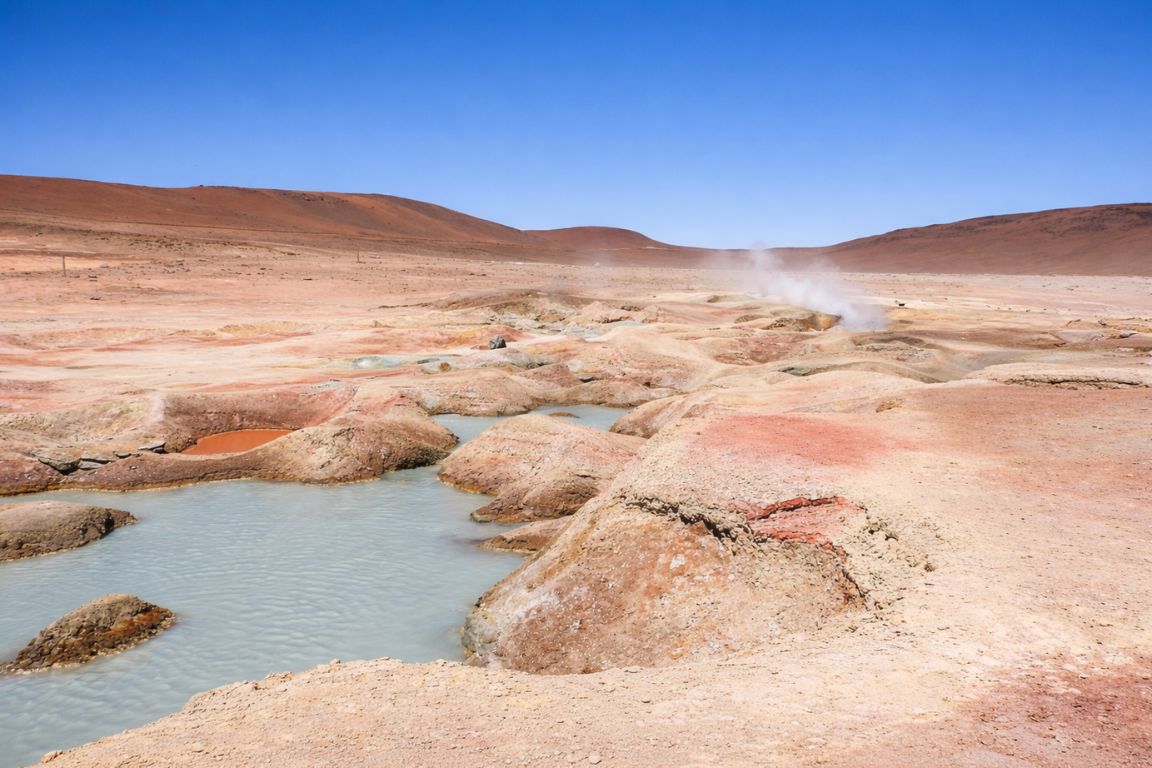 The standard Uyuni-start circuit usually reaches the geysers on day three, at around 5,000 meters. A San Pedro departure may reach them on day one. Even with preparation, altitude illness remains possible. Move gently and tell the guide about symptoms; do not continue ascending while unwell.
On the usual Uyuni-start circuit, the salt flats come first and the geysers come on day three. From San Pedro, the highest stops can occur on day one. Confirm your operator’s actual route and do not ascend with altitude symptoms.
If you’re considering the standard multi-day tour, here’s our 3-Day Salar de Uyuni tours guide so you understand the day-by-day itinerary, accommodation reality, and whether three days justifies the rough conditions.
Slowed digestion is a real effect of altitude that few guides mention. At 4,000 meters and above, gastric emptying slows noticeably. Eating a large meal before bed or before a high-altitude stop can cause nausea that feels like altitude sickness but is partly digestive. Eat smaller, more frequent meals on tour days rather than two or three large ones. Favor complex carbohydrates – quinoa, rice, bread, potatoes – over heavy proteins and fats, which slow digestion further. This is not the time for the full steak dinner, even if your appetite allows it.
Alcohol deserves specific emphasis. At altitude, alcohol’s effects are magnified – one drink can feel like two or three. More importantly, alcohol disrupts the sleep breathing patterns that are already stressed at high elevation and significantly worsens altitude symptoms by morning. Many travelers who wake up feeling terrible on day one of their tour had a beer or two the night before in Uyuni town. The beer tasted fine. The morning did not. Avoid alcohol entirely for the first 48 hours at any new altitude. After that, be conservative.
Dehydration is a constant variable. The dry Altiplano air accelerates fluid loss through breathing at a rate most travelers don’t notice because there’s no sweating sensation. Carry adequate drinking water and avoid dehydration; do not force excessive intake. Not juice, not coca cola, not coffee – water. Carry more than you think you’ll need in the jeep. There are no shops, no cafes, no water sources along most of the route.
Who Should Be Extra Cautious About Altitude at Uyuni?
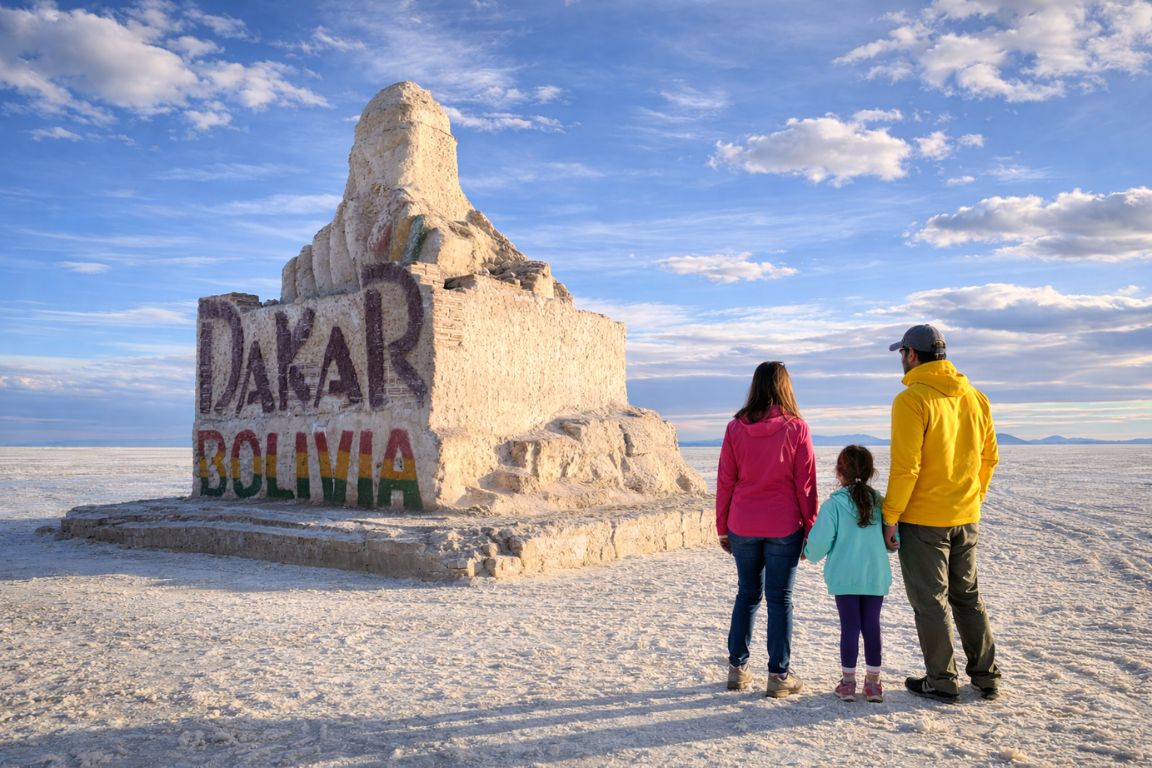 Altitude sickness does not discriminate by fitness, age, or prior high-altitude experience. A marathon runner can be hit worse than a sedentary traveler. Someone who handled Machu Picchu (2,430m) easily may struggle badly at Uyuni (3,700m) because the altitude is nearly 1,300 meters higher. That said, certain groups face additional risks that warrant a medical consultation before booking: people with heart conditions, uncontrolled hypertension, severe asthma or COPD, a history of HACE or HAPE, pregnant women, and anyone on medications that interact with altitude physiology. Anyone who has experienced HACE or HAPE before is at significantly elevated risk of recurrence.
The fitness myth is worth addressing directly. Physical fitness helps your body perform at altitude once acclimatized, but it provides little protection against AMS during the acclimatization period itself. The mechanism of altitude sickness is about oxygen delivery to the brain and other tissues, not about cardiovascular fitness. A very fit person who ascends quickly from sea level to 3,700 meters will experience AMS at roughly the same rate as a less fit person making the same ascent. What fitness does help with is recovery – once acclimatized, a fitter person will perform better at altitude. But in the critical first 24-48 hours at a new altitude, fitness offers limited protection.
Children can develop altitude illness as adults do, but younger children may show irritability, poor appetite or unusual fatigue rather than explain their symptoms. Discuss the itinerary and any medication with a pediatric clinician.
Wondering if the salt flats suit young travelers? Check out our guide on Salar de Uyuni tours with kids – extreme altitude, basic lodging, and multi-day rough drives all require serious consideration with children.
Pregnancy and altitude: the general guideline is not to travel above 3,500 meters during pregnancy without specific medical clearance. At Uyuni’s elevation alone, this means consulting a doctor before booking. The geyser day exceeds 5,000 meters and is not appropriate for most pregnancies. Discuss your specific situation with your obstetric provider before any high-altitude travel.
Previous history of altitude sickness is the strongest predictor of future susceptibility. If you’ve had AMS before, you’re likely to have it again at similar elevations. If you’ve had HACE or HAPE – the serious forms – medical consultation and likely acetazolamide prophylaxis is strongly advisable before any high-altitude travel, and some conditions that led to HAPE may make further high-altitude travel inadvisable. Be honest with your doctor about your history before your trip.
Wondering about accessibility for older travelers? Check out our guide on Salar de Uyuni tours for seniors – extreme altitude, basic lodging, and long rough drives all require different considerations for older adults.
What Should You Do If Altitude Sickness Hits During Your Tour?
The cardinal rule: do not ascend further if you have AMS symptoms. Stop going up. Rest at the current altitude. Most mild AMS improves within 24 hours if you don’t push higher. If symptoms worsen despite resting at the same altitude, or if any neurological symptoms appear (confusion, loss of coordination, altered mental status), descent is the only treatment that is reliably effective. There are no hospitals along the standard tour circuit. The nearest medical facility that can handle serious altitude illness is in Uyuni town. Alert your guide immediately if symptoms feel more than mild – they need to know to make decisions about route and pace.
Tell your guide. This is the most important practical instruction in this entire article. Guides who operate the Uyuni circuit have seen altitude sickness many times and can adjust the pace, skip a high-altitude stop, or return to a lower elevation if needed. They cannot help you if they don’t know you’re struggling. Many travelers try to push through symptoms without saying anything, either from not wanting to slow the group or from misplaced stoicism. The result is symptoms that worsen rather than resolve. Your guide is your most important resource for managing altitude on the tour. Use them.
If you’re considering skipping organized tours, here’s the truth about can you visit Salar de Uyuni without a tour so you understand what’s actually feasible versus what tour companies tell you.
For mild AMS during the tour: stop and rest. Use only medication suitable for you according to your clinician or the label. Drink water. Don’t eat a large meal. Let the guide know your symptoms. Do not take another step uphill until symptoms resolve. Most mild AMS stabilizes and begins improving within 6 to 12 hours at the same altitude if you rest properly.
For moderate to severe AMS, or any neurological symptom: tell the guide immediately. Descend. A descent of 300 to 1,000 meters is usually sufficient to produce significant improvement. If acetazolamide was prescribed before the trip, this is when to take it if you haven’t been using it prophylactically. Dexamethasone, if carried, can provide rapid symptom relief (within 2 to 4 hours) and should be given for confirmed HACE along with immediate descent. Dexamethasone does not aid acclimatization and the effect reverses when the drug wears off – descent remains mandatory.
HACE and HAPE are medical emergencies that require immediate descent and professional care. Do not wait and see. The warning signs of HACE are loss of coordination – a stumble, difficulty walking a straight line, slurred speech – and altered mental status. The warning signs of HAPE are breathlessness at rest (not just on exertion), a persistent cough, and reduced ability to exercise. Either condition can deteriorate rapidly. Descent, supplemental oxygen if available, and evacuation to medical care are the required responses.
The southern circuit is remote. Agree on communication, evacuation and descent arrangements before departure; the fastest suitable route depends on your location and conditions, and returning to Uyuni may not be the appropriate response.
Planning Takeaways For Your Trip
Choose the itinerary around the experience you want, the time you have and the actual services included. Check the guide language, transport, overnight arrangements and extra costs on the selected listing.
Frequently Asked Questions
How high do you go on a Salar de Uyuni tour?
The salar is about 3,656 meters high and the geyser area around 5,000 meters. The geysers usually come on day three from Uyuni and day one from San Pedro. Check the actual itinerary and sleeping elevations before departure.
Does being fit mean I won’t get altitude sickness?
No. Physical fitness provides no meaningful protection against Acute Mountain Sickness. AMS is a function of how quickly you ascend relative to your body’s ability to acclimatize, not of cardiovascular fitness. Elite athletes get altitude sickness at the same rate as sedentary travelers when ascending too quickly. The foundation of prevention is gradual ascent and adequate time for acclimatization.
Should I take acetazolamide (Diamox) for Uyuni?
This is a question for your doctor, not a travel guide. Acetazolamide has strong clinical evidence for preventing and treating Acute Mountain Sickness. It requires a prescription, must be started before ascending, and requires an individual allergy and medication review. Discuss your specific health situation, travel timeline, and risk factors with your doctor at least two weeks before your trip.
What is the best city to acclimatize in before Uyuni?
Sucre (2,750m) and Cochabamba (2,558m) are the best options – high enough to stimulate acclimatization, low enough to do it comfortably. La Paz works if you stay in the lower southern districts (around 3,200m) rather than the city center. Spend at minimum two full days resting – not sightseeing intensively – at your acclimatization stop before reaching Uyuni.
What happens if I get serious altitude sickness during the tour?
Tell your guide immediately. For mild symptoms, rest at the current altitude and take ibuprofen or paracetamol for headache. If symptoms worsen or any neurological signs appear (confusion, loss of coordination, slurred speech, breathlessness at rest), immediate descent is required. There are no hospitals on the tour circuit. The nearest medical facility is in Uyuni town, 3-4 hours from the most remote tour stops. This is why proper pre-tour acclimatization is not optional.
Do coca leaves actually help with altitude sickness?
Clinical evidence does not support coca leaves as an effective prevention or treatment for Acute Mountain Sickness – medical guidelines explicitly do not recommend them for this purpose. They may provide mild symptomatic relief for headache due to their analgesic alkaloids. Traditional use does not establish safety for every traveler. Drink the coca tea and chew the leaves if you want, but rely on proper acclimatization and prescribed medication rather than coca for your altitude management strategy.
Choose Your Uyuni Experience
Choose the itinerary that fits, then check your travel date before arranging onward transport or separate rooms.
Initial editorial recommendation. No preferences have been entered.
Salt Flats And Sunset Day Trip
A full salt-flat day with lunch, an English-speaking guide and sunset.
Rain boots included; Incahuasi entry costs extra. Colchani hotel pickup has a surcharge.Scheduled dates load automatically. Availability and final price are confirmed on Viator.
No verified tour meets all of these preferences. Adjust the choices below or reset.
Compare Options And Tailor Your Choice
- Private Salt-Flat Day With Sunset (8 hours): A private salt-flat day with an English-speaking guide, Uyuni pickup and a sunset finish. Booking ages 12–80. Non-refundable. Listed admission inclusions conflict with itinerary exclusions; confirm the full quote and vehicle access.
- Private Circuit With Hotel Lodging (3 days): A private salt-flat and lagoon circuit with an English guide, meals, park entries and hotel lodging. Palacio de Sal or Luna Salada and Tayka or similar hotels; confirm exact rooms. Chile transfer excluded. Prior acclimatization required.
- Three-Day Circuit With Basic Lodging (3 days): Visit the salt flats, colored lagoons, geysers and hot springs with meals and basic lodging. Choose the English-guide option. Cold basic rooms; sleeping bag included in winter or on request. Entries, water and Chile transfer extra. Not suitable for pregnancy, mobility impairments or pre-existing conditions.
Compare Your Complete Quotes
Use the same currency for both totals, including transport, rooms, meals and fees for your whole party.
Affiliate links: we may earn a commission when you book, at no extra cost to you.