Uyuni Tours from San Pedro de Atacama
Cross from San Pedro de Atacama to Salar de Uyuni on a 3-4 day jeep tour through lagoons, geysers, and deserts. See costs, route highlights, and key altitude tips before you go.
Book the direction you need: three-day San Pedro departures can finish in Uyuni, while a return to Chile needs its own itinerary.
Last updated: September 9, 2026
Doing the Salar de Uyuni tour from San Pedro de Atacama is one of the great overland journeys in South America. The standard format is 3 days ending in Uyuni or 4 days returning to San Pedro, crossing the Hito Cajón border into Bolivia and traveling north through the Eduardo Avaroa Reserve – lagoons, geysers, flamingos, and volcanic desert – before arriving at the salt flat on day two or three. Tours cost $180-350 USD per person shared, more for private. The route covers some of the most spectacular terrain on the continent, and because groups travel south to north rather than the reverse, you encounter far fewer other jeeps at each stop. Altitude on this route reaches 5,000 meters. Spend at least two days in San Pedro acclimatizing before you depart.
The private-transport three-day route starts in San Pedro and finishes in Uyuni with an English-speaking guide; its first night is still shared lodging. Check San Pedro To Uyuni Dates
Quick Facts: Uyuni Tour from San Pedro de Atacama
| Departure Point | San Pedro de Atacama, Chile (hotel pickup ~7:00-7:30am) |
| Border Crossing | Hito Cajón, at approximately 4,400m altitude |
| Standard Duration | 3 days (ends in Uyuni) or 4 days (returns to San Pedro) |
| Transport | Minibus from San Pedro to border, then Toyota Land Cruiser 4×4 in Bolivia (max 6 passengers) |
| Shared Tour Price | $180-350 USD per person (all-inclusive). Historical estimate; confirm the current fee |
| Private Tour Price | Considerably higher – worth it for couples and families |
| Max Altitude | 5,000m at Sol de Mañana geysers (Day 1) |
| Acclim. Recommended | Minimum 2 days in San Pedro de Atacama (at 2,400m) before departure |
| Eduardo Avaroa Reserve Fee | 150 BOB foreigners (~$21 USD). Historical estimate; confirm the current fee |
| Cash Required | Minimum 350-500 BOB per person in Bolivianos (get in San Pedro before departure) |
| Book In Advance | 1-2 weeks ahead (peak: June-August and December-February) |
What Is the San Pedro de Atacama to Uyuni Route and How Does It Work?
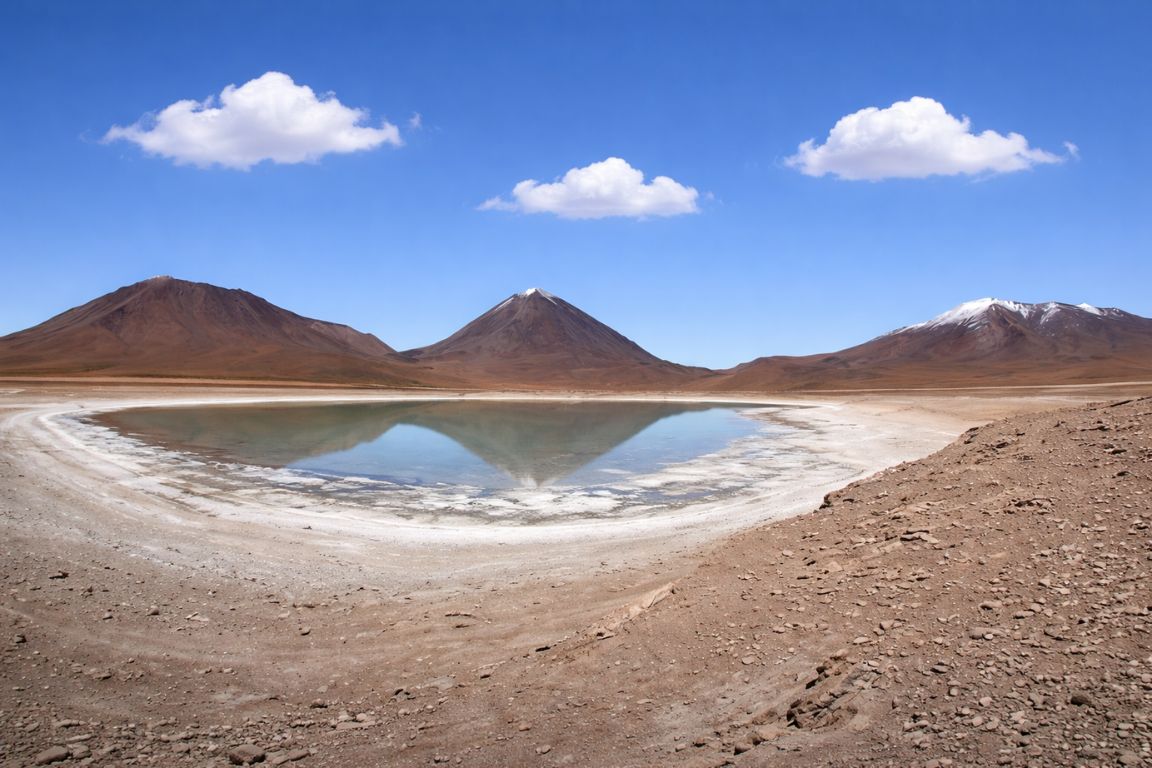 The San Pedro de Atacama to Uyuni tour is a multi-day overland crossing from northern Chile into southwestern Bolivia, connecting two of South America’s most extraordinary landscapes. You leave San Pedro by shared minibus, cross the Hito Cajón border post at 4,400 meters, switch into a 4×4 Land Cruiser on the Bolivian side, and spend the next two to three days traveling north through the Eduardo Avaroa Andean Fauna National Reserve before arriving at the Salar de Uyuni. The route covers some of the most remote, dramatic, and least-visited terrain on the continent.
The mechanics work like this: your San Pedro operator transfers you to the border. There, you go through Chilean exit procedures and Bolivian entry procedures – expect one to two hours total at Hito Cajón, longer if the border is busy. On the Bolivian side, a different vehicle and often a different driver picks up the group. This handoff is standard and expected. What you want to confirm before booking is exactly where the handoff happens and who is responsible for you at each point – a reputable operator will have this documented clearly.
The road from the border into Bolivia is not a road in any conventional sense. It’s unpaved Altiplano terrain – rutted, rocky, crossed by streams in wet season, and at times genuinely difficult to navigate. The 4x4s handle it, but slowly. Days are long. You’ll cover a lot of ground by jeep across terrain that has no services, no fuel stations, and no cell signal. The fuel cans on the roof of the vehicle are not decorative. This remoteness is part of what makes the route extraordinary, and it’s also why operator quality matters enormously. A vehicle breakdown in this landscape without a guide who knows what to do is a genuinely unpleasant situation.
The tour is designed as a point-to-point journey from Chile to Bolivia. Most versions end in Uyuni town on day three. A 4-day version adds a return journey, taking you back through the same landscape to San Pedro on day four. The 4-day option is ideal for travelers who are not continuing into Bolivia and want to remain Chile-based.
Need help with logistics? Check out our breakdown on how to visit Salar de Uyuni tours – from choosing between multi-day operators to handling 3,600+ meter elevation.
What Do You Actually See on a Tour from San Pedro de Atacama to Uyuni?
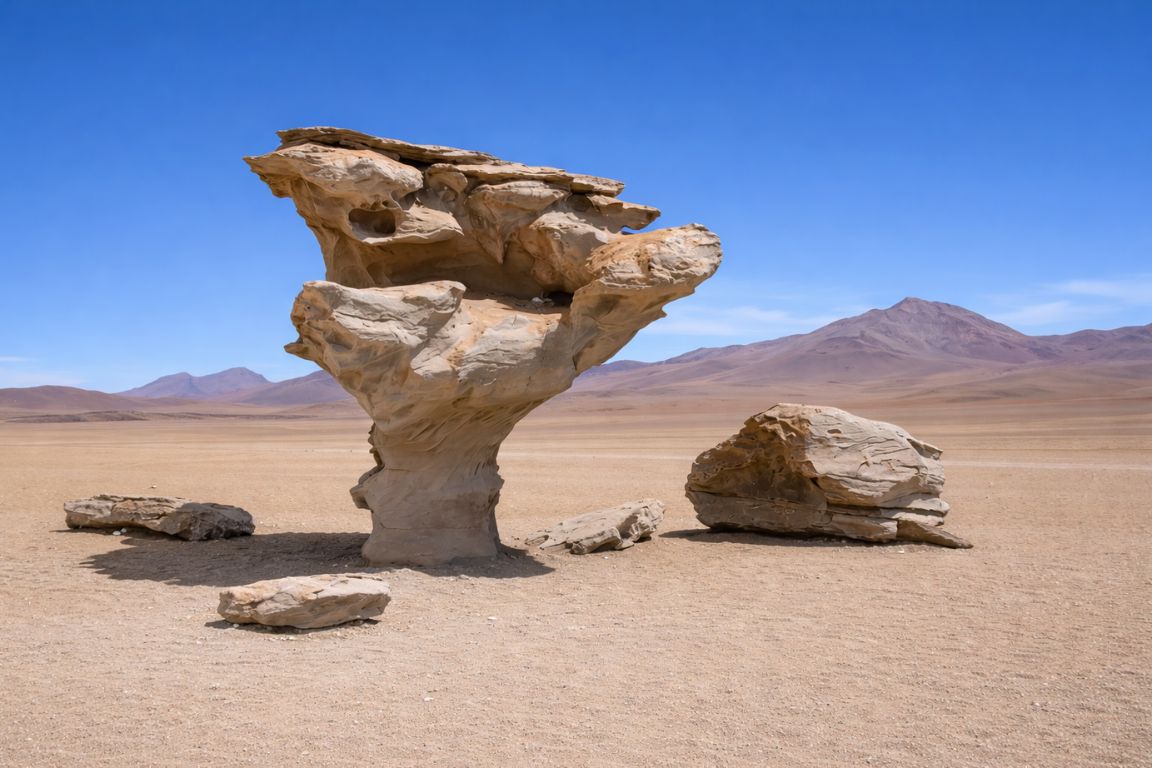
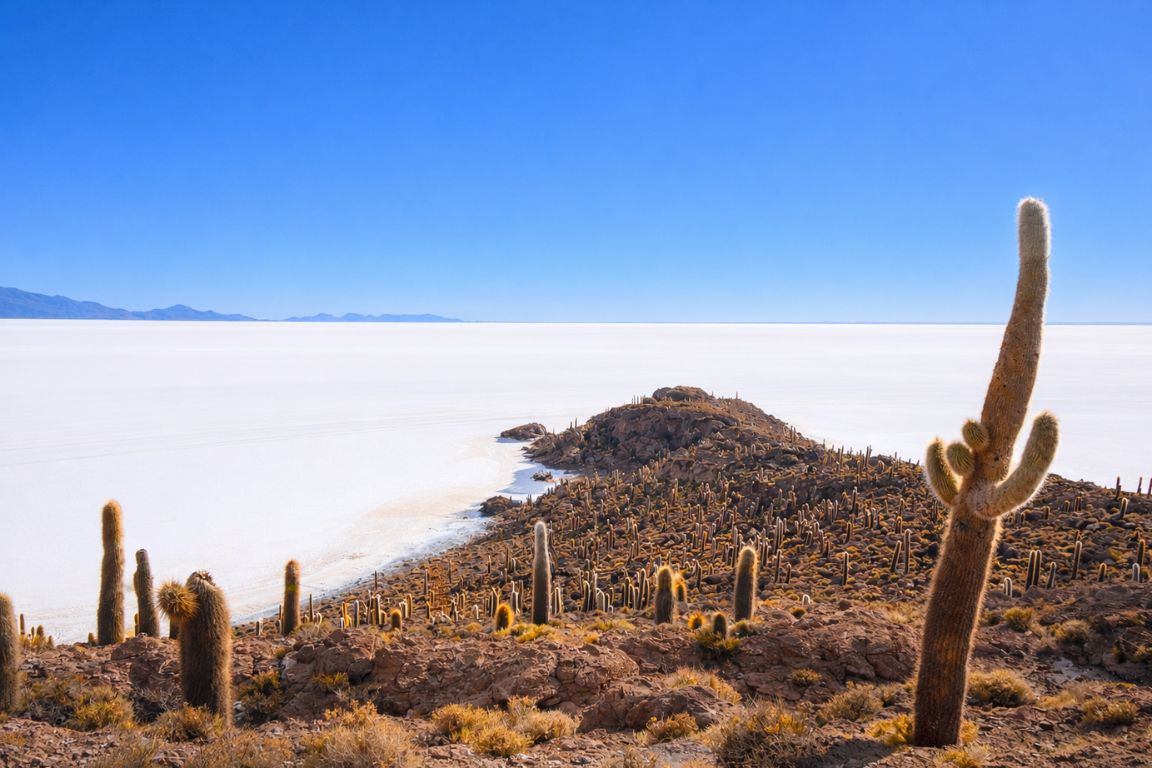
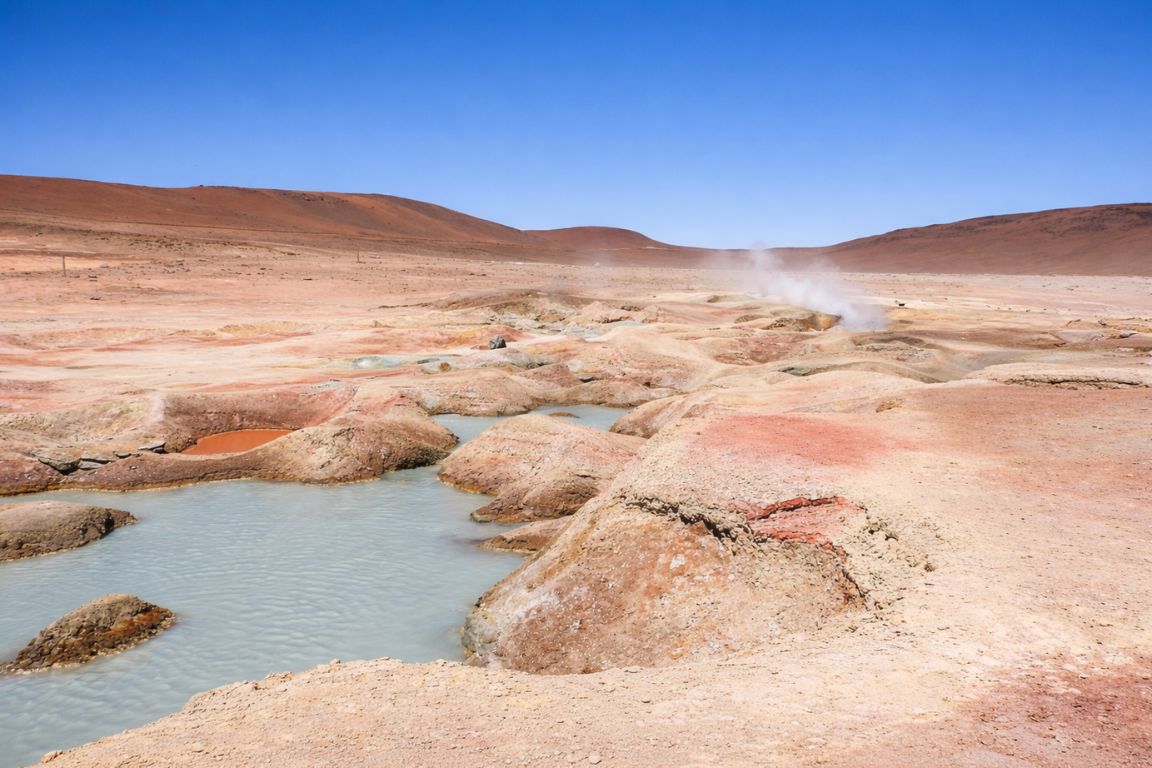 The San Pedro to Uyuni route traverses the Eduardo Avaroa Andean Fauna National Reserve – one of South America’s most dramatic protected landscapes and far less visited than the salt flat itself. Over three days you’ll see Laguna Blanca and Laguna Verde at the foot of the Licancabur Volcano, the Salvador Dalí Desert, the Sol de Mañana geothermal geyser field at 5,000 meters, the Polques hot springs, Laguna Colorada, Arbol de Piedra (Stone Tree), the Valley of Rocks, and finally the Salar de Uyuni on the last day, including sunrise at Isla Incahuasi. Most travelers call the journey itself – not just the flat – the highlight of the trip.
The order of stops is reversed compared to tours starting from Uyuni. Where Uyuni-based tours begin on the flat and head south, San Pedro tours start in the south and build toward the flat. This means the salt flat is the final act rather than the opening. Travelers who’ve done the route consistently describe the progression as dramatically effective: you spend days in volcanic desert, colored lakes, and geothermal weirdness before the flat finally appears, and by that point the scale of it is even more disorienting than it would be if you’d arrived first.
Curious about the experience? Check out our guide on walking on the salt flats of Salar de Uyuni tours – it covers what the salt crust feels like, how long you get to explore on foot, and safety considerations at this altitude.
Laguna Colorada deserves special mention. The red lagoon – colored by algae and mineral deposits – sits at around 4,300 meters and is surrounded by thousands of flamingos. Three species are present: Andean, Chilean, and James’s flamingos. The pinkish bodies against the deep red water and white mineral deposits make this one of the more photographically surreal places in the world. Groups from San Pedro typically arrive at different times than groups from Uyuni, which means the lake feels significantly less crowded.
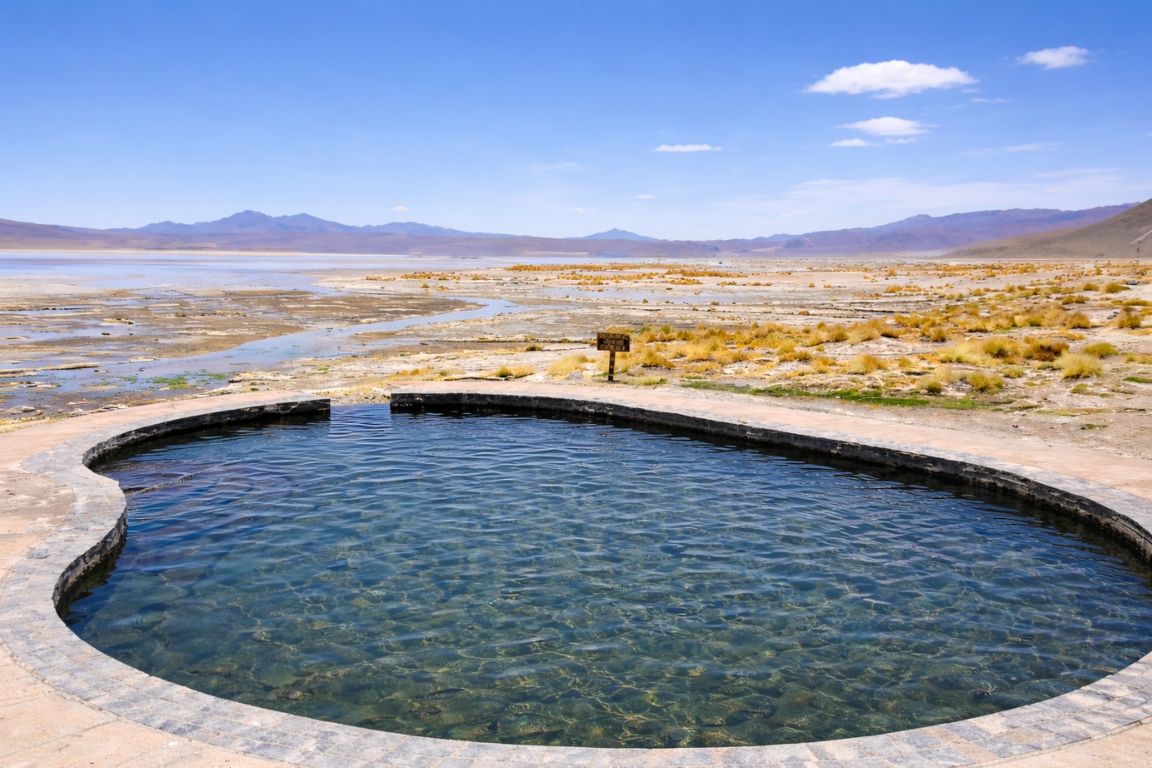
The Sol de Mañana geyser field is the highest point on the route at just over 5,000 meters. Active fumaroles, boiling mud pools, and columns of steam rising from the earth in every direction. Most groups arrive early morning when the steam is densest. At that altitude the air is so thin you’ll feel exertion from a slow walk – acclimatization before the tour is not optional, it’s essential. The Polques hot springs sit nearby at a slightly lower elevation and are one of the most memorable stops: thermal pools at around 30°C against the cold wind of the Altiplano, with a full view of the volcanic landscape around you.
| Hito Cajón Border | Day 1 (morning) | 4,400m | Chile-Bolivia crossing – stark, cold, and dramatic |
| Laguna Blanca & Verde | Day 1 | ~4,400m | White and green mineral lagoons at foot of Licancabur Volcano |
| Salvador Dalí Desert | Day 1 | ~4,500m | Wind-eroded rock formations on high plateau – genuinely surreal |
| Sol de Mañana Geysers | Day 1 | ~5,000m | Active geothermal field – highest point of the tour |
| Polques Hot Springs | Day 1 | ~4,400m | 30°C thermal pools with volcanic backdrop |
| Laguna Colorada | Day 1 | ~4,300m | Red lake – thousands of flamingos, unforgettable color |
| Arbol de Piedra | Day 2 | ~4,500m | 7-meter wind-sculpted rock formation in Siloli Desert |
| Valley of Rocks | Day 2 | ~4,200m | Strange formations with animal shapes – named Camel, World Cup |
| Train Cemetery | Day 3 | ~3,700m | Rusting 19th-century locomotives on Uyuni’s edge |
| Salar de Uyuni | Day 3 | 3,656m | World’s largest salt flat – sunrise, Isla Incahuasi, perspective shots |
Arriving at the Salar on day three, after two days in the volcanic south, produces a visceral reaction in almost everyone. The flat appears suddenly – you turn a corner and there it is, white stretching to every horizon. After two days in deeply textured, heavily colored landscape, the complete blankness of the salt flat is striking. The journey earns the destination in a way that arriving directly from Uyuni town does not.
We’ve created a detailed Salar de Uyuni tours comparison guide because operator quality varies wildly – choosing wrong means broken-down vehicles, terrible food, and potentially dangerous situations at 3,600+ meters.
How Long Does the Tour Take and What Are the Different Options?
 The two main versions are the 3-day tour (one way, San Pedro to Uyuni) and the 4-day tour (round trip, returning to San Pedro). Both cover the same route and stops; the 4-day simply adds a return leg on day four. There is no meaningful 1-day option from San Pedro – the border crossing alone takes the better part of a morning, and the landscape that follows demands time. Private tour versions of both formats exist at higher cost but with significant benefits to itinerary flexibility and group dynamics.
The 3-day one-way format makes sense if you’re traveling from Chile into Bolivia and plan to continue your trip northward through Bolivia – to La Paz, Lake Titicaca, Sucre, or elsewhere. You arrive in Uyuni at the end of day three and continue from there. The 4-day round-trip format makes sense if you’re based in Chile and not crossing into Bolivia further. Same experience, same route, plus a 4am departure on day four and a return to San Pedro by early afternoon.
Pickup and logistics differ between the two crossing directions. The shared minibus from San Pedro to the border takes about an hour. At Hito Cajón, the group switches into a Bolivian 4×4 – a maximum of six passengers per vehicle, per regulation. Drivers on the Bolivian side are licensed Bolivian operators; Chilean guides cannot legally conduct tours on Bolivian territory. This is worth knowing because some San Pedro operators sell the tour as a seamless end-to-end experience when in reality the guide changes at the border. Ask specifically: “Is the same guide with us for the full tour or does the guide change at the border?”
Day-by-day timing across the standard 3-day format looks like this. Day one covers the most ground: border crossing, entry into Eduardo Avaroa Reserve, the lagoons, Dalí Desert, geysers, hot springs, Laguna Colorada, and first night accommodation at Villa Mar or similar (around 3,500m). Day two heads through the southern circuit – Arbol de Piedra, Valley of Rocks, additional lagoons, arriving at accommodation near Uyuni or in Colchani. Day three: sunrise on the Salar, Incahuasi Island, perspective photography, train cemetery, and drop-off in Uyuni town by mid-afternoon.
Wondering about the classic tour length? Check out our 3-Day Salar de Uyuni tours guide – it covers what you actually see across three days, how basic the overnight stops are, and whether it’s worth the commitment.
What Does It Cost to Do the Uyuni Tour from San Pedro de Atacama?
 Shared tours from San Pedro cost $180-350 USD per person all-inclusive for the 3-day version. The 4-day round-trip version runs slightly higher. This price covers transport, accommodation for two nights (three on the 4-day), all meals, border assistance, and guide service. Not included: the Eduardo Avaroa Reserve entrance fee (150 BOB, around $21 USD), Isla Incahuasi entrance (30 BOB, around $4 USD), toilet fees along the route (around 20 BOB total), and tips. Plan for an additional 350-500 BOB per person in cash for these extras. Historical estimate; confirm the current fee.
Tours booked from San Pedro consistently cost more than equivalent tours booked in Uyuni. This is not a scam – it reflects the cost of operating across two countries, coordinating border logistics, and running higher-quality vehicles through remote terrain. It also reflects the tourism premium that applies in Chilean resort towns compared to small Bolivian altiplano settlements. A traveler who arranges the same tour starting from Uyuni typically pays 30-50% less. The trade-off is the significant logistical challenge of getting from San Pedro to Uyuni independently, which involves a long bus crossing via Ollague and is not comfortable.
| Shared 3-day (one way) | 3 days / 2 nights | $180-280 USD | Uyuni, Bolivia |
| Shared 4-day (round trip) | 4 days / 3 nights | $220-350 USD | San Pedro de Atacama, Chile |
| Private 3-day (one way) | 3 days / 2 nights | $350-600+ USD | Uyuni, Bolivia |
| Private 4-day (round trip) | 4 days / 3 nights | $450-800+ USD | San Pedro de Atacama, Chile |
| Eduardo Avaroa Reserve Entry | One-time | 150 BOB (~$21 USD). Historical estimate; confirm the current fee | N/A – paid at entry |
| Isla Incahuasi Entry | One-time | 30 BOB (~$4 USD). Historical estimate; confirm the current fee | N/A – paid at island |
Private tours are worth calculating seriously for groups of four or more. When split between four people, the price per person on a private tour often lands close to the shared rate, and you get a vehicle entirely to your group, your own pace at each stop, and the ability to spend more time at the locations you care about most and move quickly past the ones you don’t. For couples, the private premium is real but justified by the flexibility. Choosing where to spend more time is especially valuable on the photography stops.
If you’re going for the photos, here’s our Salar de Uyuni tours photography guide so you understand camera settings for salt flat brightness, when to shoot for mirrors, and how to set up those forced perspective tricks.
English-speaking guides cost more than Spanish-speaking drivers. The difference is typically $50-80 USD per person across the tour and is significant for travelers who want proper explanation of what they’re seeing – the history of the Eduardo Avaroa Reserve, the geology of the lagoons, the biology of the flamingo colonies. Drivers who speak basic English can communicate logistics and help with photos, but they’re not guides in the educational sense. This distinction affects your experience more than most people expect.
Questions about what’s right for your group? The 3-day Uyuni tour guide covers format, pace, and what the overnight stops are actually like.
What Is the Difference Between Starting in San Pedro vs Starting in Uyuni?
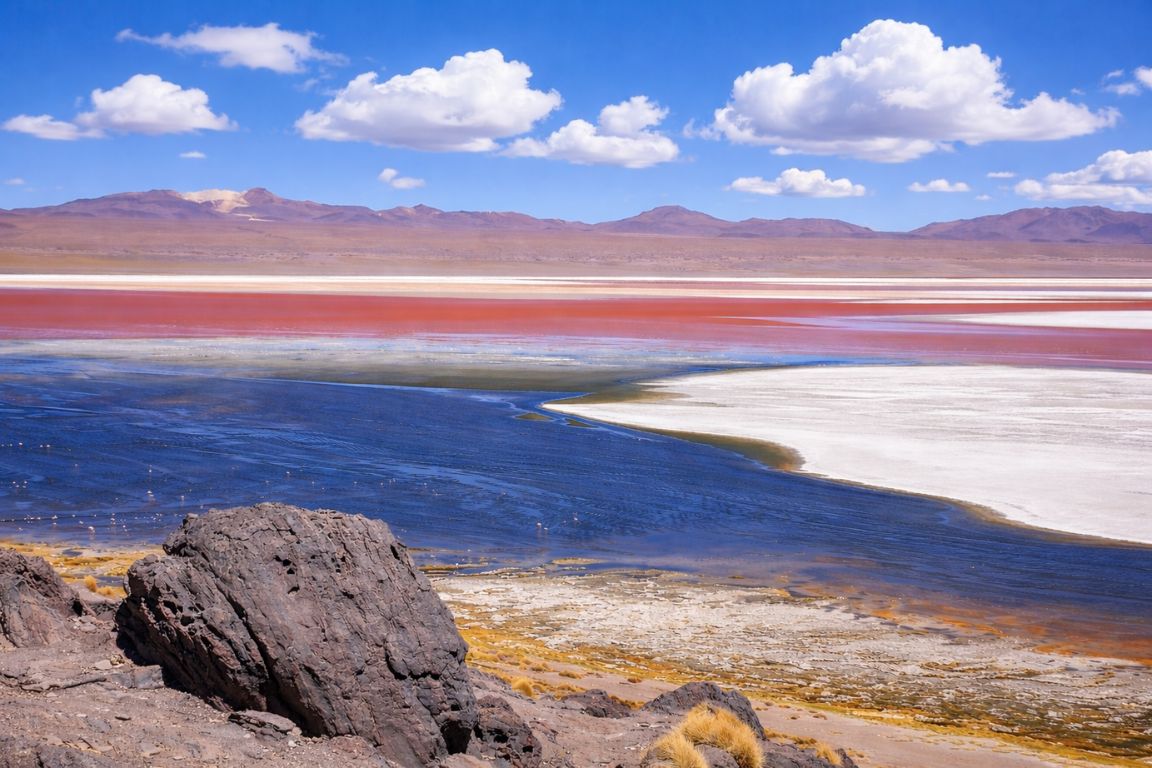 Starting in San Pedro means you encounter the reserve’s volcanic landscapes, lagoons, and geysers before the salt flat – building toward the Salar as the dramatic finale. Starting in Uyuni means you hit the flat first and travel south through the reserve. The landscapes seen are largely identical, but the experience is different. San Pedro groups approach each stop from the south, arriving at different times than the larger volume of Uyuni-based groups approaching from the north – which means you often have major sites like Laguna Colorada largely to yourself.
The crowd dynamic deserves emphasis. Uyuni is a much higher-volume departure point than San Pedro. The vast majority of travelers doing this route start from the Bolivian side. This means that on any given day, there might be 30 jeeps visiting Laguna Colorada from the north – all arriving at similar times because tour departure schedules from Uyuni are clustered. Groups from San Pedro arrive at these same sites from the opposite direction and at different hours. The difference in crowd level at key stops is noticeable and real. If seeing Laguna Colorada with a handful of other travelers rather than a convoy of jeeps matters to you, San Pedro is the better starting point.
The other key difference is altitude progression. San Pedro de Atacama sits at about 2,400 meters – significantly lower than Uyuni’s 3,700 meters. Acclimatizing in San Pedro for two or three days before the tour gives your body a gentler entry into altitude than flying directly into La Paz and then busing to Uyuni. The tour itself climbs to 5,000 meters on day one regardless of direction, but starting from a lower base is a meaningful advantage for altitude-sensitive travelers.
Worried about the altitude? I’ve put together a complete Salar de Uyuni tours altitude and preparation guide covering acclimatization strategies, altitude sickness symptoms, and what to pack for 3,600+ meters on the altiplano.
The practical disadvantage of starting in San Pedro is cost. Everything in Chile is more expensive than equivalent services in Bolivia. Booking the same tour from San Pedro versus from Uyuni consistently costs 30-50% more per person. For budget-focused travelers, the cost difference is real. For travelers prioritizing the crowd-free experience and the altitude acclimatization advantage, the San Pedro premium is usually worth it.
What Should You Know Before Booking a Tour from San Pedro de Atacama?
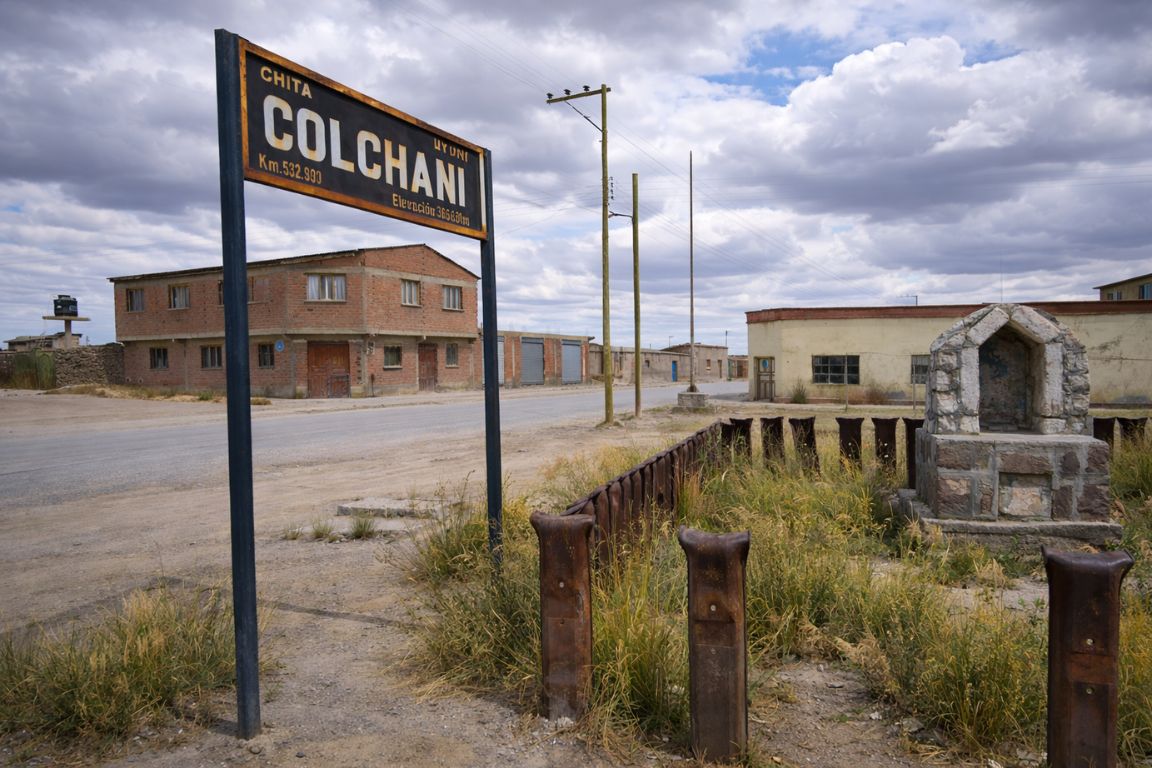 The most important things to confirm before paying: whether the tour is operated by a single company end-to-end or handed off at the border, what specific accommodation you’ll be staying in on each night, whether your guide speaks English (not just basic English), and what the cancellation policy is if the Hito Cajón border closes. The border at Hito Cajón is occasionally shut due to extreme weather – roughly 10-20 days per year total, not usually consecutive. Ask every operator directly what happens to your booking if the border is closed on your departure date.
The border handoff question matters more than most travelers realize. Many San Pedro agencies are essentially booking agents passing clients to Bolivian operators. This isn’t inherently bad – a well-run partnership between a Chilean agency and a Bolivian operator can deliver an excellent experience. What you want to avoid is paying a San Pedro premium and ending up on a Bolivian budget tour without anyone taking ownership of the quality on either side. Ask: “Which Bolivian operator will we be transferred to at the border?” If they won’t tell you, find another agency.
Cash preparation is essential and specific. Bolivianos are not widely available in San Pedro – get them at a currency exchange on Toconao Street before the tour. The tour route has no ATMs, no banks, and no cards accepted until you reach Uyuni on day three. Budget a minimum of 350-500 BOB per person for entry fees, toilet fees, and incidentals. Bring small bills – the toilet attendants and park entrance points often cannot make change from large notes. USD cash works for tipping guides and drivers.
What to confirm about accommodation before booking: the first night is typically in Villa Mar or a similar village at around 3,500 meters – basic lodge, shared bathrooms, cold showers unless hot water is specifically included. The second night is in Uyuni town or Colchani (the salt hotel area). Ask specifically what property, not just what tier. Look it up. The difference between a well-run basic lodge and a poorly maintained one at altitude is material.
If you’re trying to figure out accommodation, here’s where to stay in Salar de Uyuni tours based on whether you’re doing day trips from Uyuni town or multi-day tours that include basic overnight stops.
Luggage limit is a real constraint. Bags go on the roof of the 4×4 under a waterproof cover, and they’re not accessible during the day – only at overnight stops. Keep your camera, water, snacks, medications, sun protection, and anything you might need between breakfast and dinner in a small daypack with you in the vehicle. The rest stays on the roof. Maximum luggage weight is typically around 18kg. If you have more, most San Pedro operators allow you to leave extra bags at their office or your hotel until you return.
What Should You Pack for the San Pedro de Atacama to Uyuni Tour?
 Pack for four distinct environments across three days: cold mornings at 4,000 meters, extreme cold at 5,000 meters in the geyser field, warm springs in the Polques thermal pools, and the blinding reflective surface of the salt flat. Layering is essential. Non-negotiable items: warm jacket, thermal base layers, gloves, hat, sunscreen rated SPF 50 or higher, polarized sunglasses, waterproof boots for wet season, a headlamp, sufficient Bolivianos in cash, and a sleeping bag if your tour’s accommodation doesn’t guarantee heating (ask).
The geyser field stop on day one is the coldest moment of the tour for most groups. You’re at 5,000 meters, the wind is constant, and the sun may not have fully cleared the mountains yet. People who dress for a mild morning walk are cold within three minutes of stepping out of the jeep. The thermal properties of your clothing at this stop matter more than anywhere else on the route. Bring more warm layers than you think you need and put them on in the vehicle before you exit, not after you’re already shivering outside.
Swim gear for the Polques hot springs is worth packing. The pools sit at around 30°C and the air around them is typically 0-5°C. Getting in requires commitment, and getting out is bracing, but the experience of soaking in thermal water while surrounded by volcanic desert and flamingos overhead is one of the more memorable moments on the route. Most groups spend 20 to 30 minutes there. Bring a small towel that dries fast – the changing room facilities are minimal.
If you’re trying to figure out appropriate gear, here’s what to wear in Salar de Uyuni tours so you handle the cold mornings, scorching midday sun, and freezing nights at extreme altitude.
Planning Takeaways For Your Trip
Choose the itinerary around the experience you want, the time you have and the actual services included. Check the guide language, transport, overnight arrangements and extra costs on the selected listing.
Frequently Asked Questions
Do I need a visa to cross from Chile into Bolivia at Hito Cajón?
It depends on your nationality. Most EU and Latin American countries enter Bolivia visa-free. US citizens currently require a tourist visa ($160 USD per person in crisp, unmarked US bills – immigration at the border will reject torn or marked notes). Check current requirements with the Bolivian consulate before departing. Your tour operator should provide guidance, but verifying independently before you travel is your responsibility.
Is the Hito Cajón border crossing reliable?
Generally yes, the border is open year-round and closures are uncommon, estimated at 10-20 days per year total. Closures happen due to extreme weather, usually in winter (June to August) or during heavy rainy season snowfall. Ask your operator their policy if the border is closed on your departure date before you book. A good operator will have a clear contingency, either rescheduling or rerouting via the Ollague crossing.
Can I do this tour without a guide or as an independent traveler?
Not practically. The Hito Cajón route is only accessible by private 4×4 – there is no public transport to or through this crossing. The Eduardo Avaroa Reserve requires proper navigation across unmarked terrain that the 4×4 drivers know from experience. The border crossing involves documentation that a local driver assists with. Attempting this independently would require renting a 4×4 in Bolivia separately, which is possible but complex and significantly more expensive than joining a tour.
What happens if Isla Incahuasi is flooded during wet season?
In the rainy season (December to April), water levels on the salt flat can prevent vehicle access to Isla Incahuasi. Good operators will tell you this upfront and adjust the itinerary accordingly – more time on other flat sections, focus on the mirror effect rather than the island hike. If an operator guarantees Incahuasi access without acknowledging the seasonal caveat, that’s a red flag.
How do I get Bolivianos before the tour?
Exchange on Toconao Street in San Pedro de Atacama – several cambio houses operate there. Get at least 350-500 BOB per person before departure. USD cash is also accepted for tips. There are no ATMs between the border and Uyuni town on day three, so what you carry in is all you have for three days. Small bills are strongly preferred along the route.
Is the San Pedro to Uyuni tour suitable for children?
For older children (10+) who are comfortable with long vehicle days and altitude, yes – with preparation. The geyser field at 5,000 meters is not suitable for young children or anyone with respiratory conditions. The days are long – typically 8 to 10 hours of travel and stops. The accommodation is basic on night one. Families with children under 10 should consult directly with operators about options, pacing, and appropriate altitude management before booking.
Choose Your Uyuni Experience
Choose the itinerary that fits, then check your travel date before arranging onward transport or separate rooms.
Initial editorial recommendation. No preferences have been entered.
San Pedro To Uyuni, Private Route
Travel from San Pedro through the lagoons to Uyuni with an English-speaking guide and two nights of lodging.
First-night shared six-bed rooms are listed despite private transport. Confirm San Pedro meeting arrangements; park fees and drinks cost extra.Scheduled dates load automatically. Availability and final price are confirmed on Viator.
No verified tour meets all of these preferences. Adjust the choices below or reset.
Compare Options And Tailor Your Choice
- San Pedro To Uyuni, Shared Route (3 days): A shared three-day journey from San Pedro through the lagoons to Uyuni. Spanish-speaking driver; basic hostel lodging. Park fees are extra. Not suitable for under-eights, pregnancy or back problems.
- Four Days From San Pedro And Back (4 days): Cross the lagoons and see sunrise on the salt flats, with transport back to San Pedro on day four. Spanish-speaking guide. Choose shared or private rooms. Entries extra; border or winter delays can affect return time. Booking ages 5–99.
Compare Your Complete Quotes
Use the same currency for both totals, including transport, rooms, meals and fees for your whole party.
Affiliate links: we may earn a commission when you book, at no extra cost to you.