Best Time to Visit Salar de Uyuni
There’s no “best” time for Salar de Uyuni - only what you want. Mirror effect or cracked salt? Learn when to go, what each season offers, and the smart timing most travelers miss.
Pick the experience first, then the month. A mirror-focused outing and a lagoon circuit use your days differently.
Last updated: September 9, 2026
There is no single best time – only the right time for what you want. The wet season (November to April) creates the famous mirror effect when a thin layer of rainwater reflects the sky across the entire flat. The dry season (May to October) gives you the cracked hexagonal salt crust, clear blue skies, and full access to every site including Isla Incahuasi. January and February offer the highest mirror probability. June through August are the driest and coldest months – and the most crowded. Late April and October to November are the sweet spot for travelers who want decent conditions without committing fully to either extreme.
A daylight-and-sunset salt-flat tour is the starting option; compare a longer salar stay or a night-sky outing for a more specific goal. Check Uyuni Sunset Day-Trip Dates
Quick Reference: Salar de Uyuni by Season
| Months | November to April | May to October |
| Daytime Temp | 15°C to 20°C (59°F to 68°F) | 10°C to 17°C (50°F to 63°F) |
| Night Temp | 0°C to 9°C (32°F to 48°F) | -20°C to -1°C (-4°F to 30°F) |
| Rainfall | Up to 105mm in January | Near zero — 1mm or less May/June |
| Mirror Effect | Yes, peak Jan to early March | No |
| Isla Incahuasi Access | Sometimes restricted by flooding | Usually more accessible; conditions can still restrict access |
| Crowds | Moderate – lower than dry peak | Peak July to August |
| Best For | Mirror photography, warmer nights | Perspective photos, stargazing, full access |
| Tour Prices | Lower – more room to negotiate | Higher – less room to negotiate |
What’s the Difference Between Wet Season and Dry Season at the Salar de Uyuni?
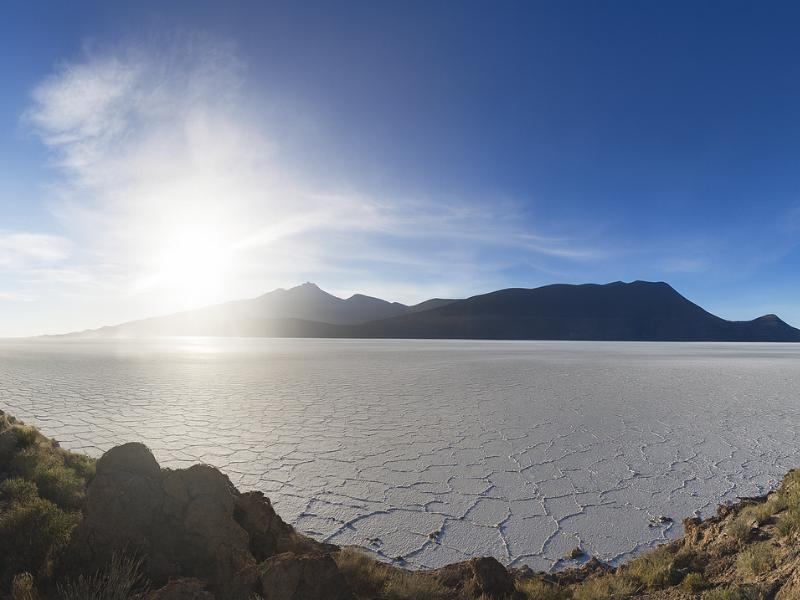
The two seasons produce completely different landscapes. In the wet season (November to April), periodic rainfall settles on the salt flat’s surface and – when conditions align – creates the famous mirror effect: a thin layer of still water that reflects the sky so perfectly the horizon disappears. In the dry season (May to October), that water is gone, leaving behind a brilliant white crust of cracked hexagonal salt formations, deep blue skies, and firm ground that gives 4×4 tours full access across the entire flat and beyond.
People assume the wet season is worse. It’s not – it’s just different. Nights are actually milder in the wet months, often staying above freezing when dry season nights can drop to -20°C. Daytime temperatures are slightly warmer too, typically running between 15°C and 20°C during wet season versus 10°C to 17°C in the dry. The trade-off is reliability. Dry months generally offer firmer routes, but weather and access are never guaranteed. Wet season gives you potential – the potential for something extraordinary, but no guarantees.
The geography explains both seasons. The Salar sits in a basin with no drainage outlet. When it rains, water has nowhere to go except evaporation. The flat surface – varying by less than one meter across its entire 10,582 square kilometers – allows a thin layer of rainwater to spread evenly. When that layer is between 2 and 20 centimeters deep and the wind stays still, the water becomes a mirror. Deeper than 20 centimeters and it starts to ripple. Less than 2 centimeters and it concentrates in low spots rather than spreading uniformly. The exact conditions needed to produce the photos you’ve seen on Instagram are specific. They are more likely in wet months, while residual water or unusual rain can sometimes produce reflections outside them, but they are not guaranteed on any particular day.
One thing that rarely gets mentioned: the light is different between seasons too. In dry season the sun is brutal and the reflection off the white salt is blinding by midmorning. In wet season, overcast days filter that light and create a softer, more atmospheric quality – even without perfect mirror conditions. Some of the most striking Uyuni photos ever taken were on cloudy wet-season days when storm clouds were building on the horizon and the flat was just slightly damp.
When Is the Best Time to See the Mirror Effect at the Salar de Uyuni?
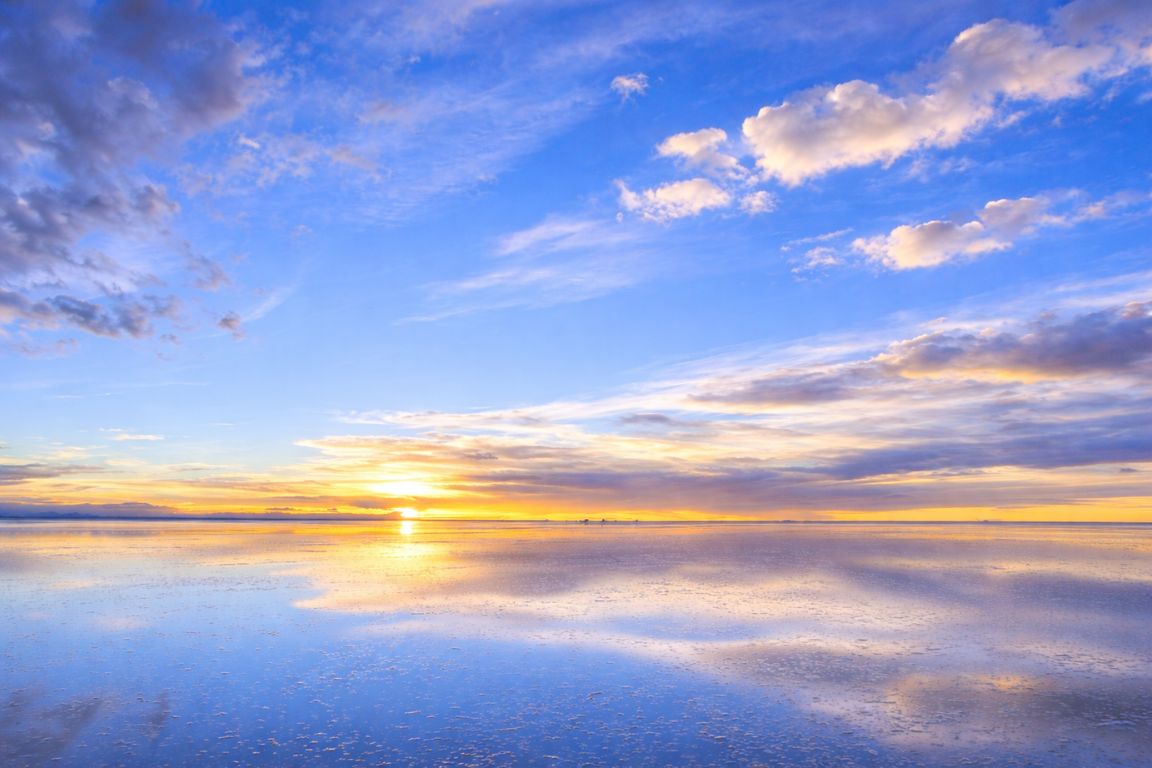 The mirror effect requires three things happening at the same time: recent rainfall, a water depth between 2 and 20 centimeters, and no wind. These conditions are most reliably found from January through early March, with February offering the highest statistical probability. December and late March can still deliver the mirror, but the odds drop on either side of that window. The effect is never guaranteed on any specific day – even in peak season – which is why travelers chasing it should build extra days into their schedule.
January is technically the rainiest month, but that creates its own problem. Too much rain and parts of the flat flood deeply enough to make vehicle travel dangerous and tour routes impossible. Isla Incahuasi, one of the most popular stops on any tour, becomes inaccessible when water levels rise beyond a certain point. February threads the needle best: rainfall is still substantial, but the accumulated water from prior weeks often means the flat is at the right depth for reflection rather than flooding. Locals and experienced operators know where to go on the flat to find the clearest mirror on a given day that knowledge is worth a lot in wet season.
Timing within the day matters as much as timing within the year. The mirror is almost always best at sunrise. Before wind builds. Before other jeeps start driving across the surface and creating ripples. A tour that puts you on the flat at 5:30am in February gives you a completely different experience than one that departs at 9am. When you’re booking, ask specifically about sunrise starts. A good operator will offer them without prompting. An indifferent one won’t bother unless you ask.
If you arrive and the mirror conditions aren’t there – the water has evaporated since the last rain, or the wind has been up for two days – don’t assume you’ve missed it. Conditions can shift overnight. A single rainstorm followed by a still morning can produce the perfect reflection from nothing. That unpredictability is what makes planning extra days so valuable.
Questions about current conditions before you book? Get in touch here – we’ll give you an honest read on what we’re seeing right now.
Wondering when the mirror happens? Check out our guide on the best time to visit Salar de Uyuni tours for the mirror effect – it’s a narrow window and timing wrong means no reflections at all.
What Is the Dry Season Really Like at the Salar de Uyuni (May to October)?
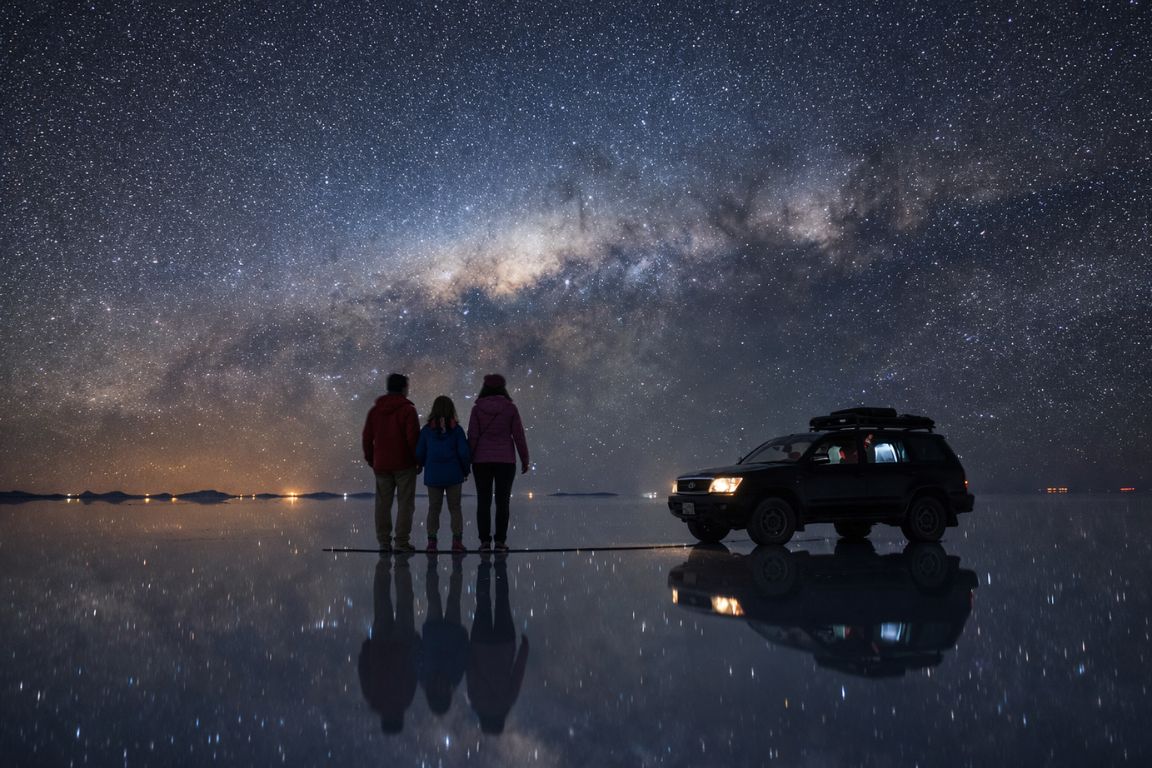 The dry season delivers the quintessential Uyuni image: blinding white salt as far as you can see, deep cobalt sky above, hexagonal salt crust crunching underfoot, and not a cloud in sight. Access depends on current road and weather conditions. Stargazing is exceptional – the clearest skies of the year with minimal atmospheric interference at this altitude. The trade-off is cold. Nights in June and July can hit -20°C. And July through August are peak tourist months, meaning more jeeps on the flat and less room to negotiate tour prices.
The hexagonal patterns visible in dry season exist because salt crystallizes into geometric shapes as the water evaporates. Each hexagon measures roughly 1 to 2 meters across. In the late afternoon light, the ridges between cells cast shadows that give the flat a subtle texture – a visual effect that completely disappears by midday when the sun is overhead. Early morning or late afternoon photography in dry season produces something different from the mirror shots, but no less striking. The scale becomes visible in a way it isn’t in wet season. A person standing on the flat in June looks genuinely small.
Stargazing in dry season is exceptional. Often clearer skies, thin atmosphere at 3,656 meters, and no light pollution for hundreds of kilometers. The Milky Way is visible to the naked eye on any clear night. For astrophotography specifically, June through August offer the best conditions. New moon nights are ideal – request tours around the lunar calendar if this is a priority. These are worth it if the sky is clear.
The cold deserves more attention than most travel content gives it. In the dry season, especially June and July, daytime temperatures might reach a comfortable 14°C, but nights plunge. The accommodation on budget tours is unheated, the blankets are thin, and the walk to the bathroom at 3am in -15°C is genuinely unpleasant if you’re unprepared. Bring a sleeping bag rated to -10°C as a minimum. In the depths of winter (June to August), -15°C rated is better. This is not the kind of cold that a second sweater fixes.
Need altitude guidance? Our Salar de Uyuni tours altitude and preparation guide covers how to acclimatize properly, what symptoms to watch for, and what medications and gear actually help at extreme elevation.
What Happens During the Wet Season at the Salar de Uyuni (November to April)?
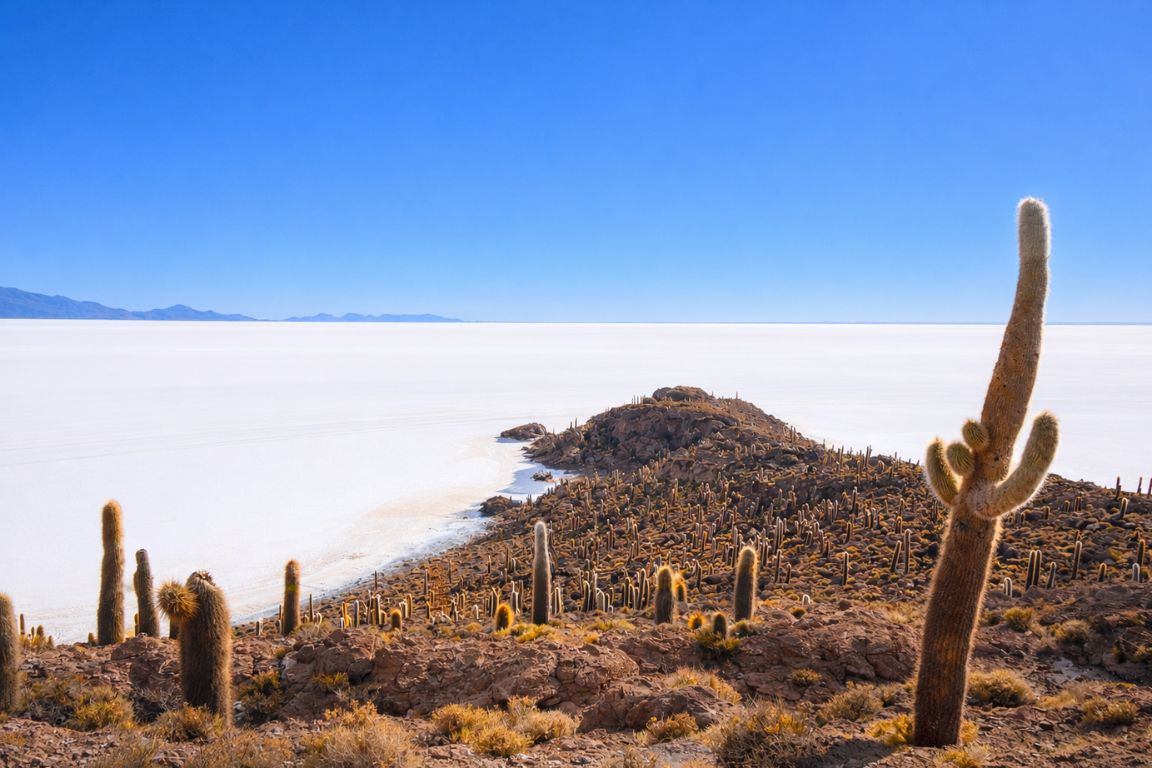 The wet season transforms the flat into a mirror but it also introduces unpredictability. Tours can be rerouted or cancelled due to flooding. Isla Incahuasi and other sites become inaccessible when water is too deep. Roads leading to Uyuni from La Paz can deteriorate in heavy rain. At the same time, nights are warmer than dry season, crowds are lower, tour prices are more negotiable, and the visual experience on a perfect wet-season morning is unlike anything else on earth.
Rain on the Altiplano is not the same as rain at sea level. It comes in bursts, usually in the afternoon, not all day. A morning can be perfectly clear and sunny. By 2pm, clouds build. By 4pm, it rains. By 6pm, the sky clears. The next morning, the flat is covered in a thin still layer of water that catches the sunrise perfectly. That rhythm, when it works, produces the conditions that drew you to Uyuni in the first place. When it doesn’t work – when it rains heavily for multiple days in a row – the flat floods, routes close, and operators have to improvise.
The crowds are genuinely lower in wet season. July and August are the peak months in terms of visitor volume. December to March sees fewer travelers, partly because of weather concerns that turn out to be less severe in practice than people expect, and partly because the Southern Hemisphere summer holidays concentrate in January and February. If you visit in January or February, you’ll be on the flat with fewer other jeeps than you would encounter in August which matters both for photography and for the sense of having the place to yourself.
Tour prices are softer in wet season. Operators have more space to fill. The advertised price is often the starting point rather than the final number, and small groups have more leverage than they do in the peak dry months. That doesn’t mean you should book the cheapest option – the risks of a low-quality operator are higher in wet season when route decisions and driver judgement matter more but it does mean a good mid-range tour is more attainable for the same budget.
What Is the Salar de Uyuni Like Every Month of the Year? A Month-by-Month Breakdown
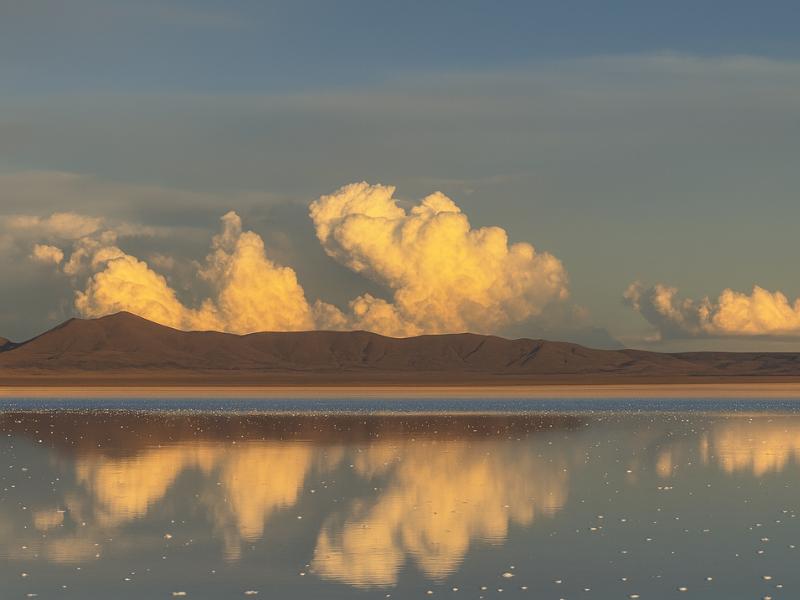
Each month at the Salar de Uyuni offers a meaningfully different experience. Here is an honest breakdown of what to expect, what to look forward to, and what to prepare for in each month – based on climate data, on-the-ground conditions, and patterns we’ve observed across thousands of tours.
| January | Wet | 19°C / 66°F | 9°C / 48°F | ~105mm (wettest month) | High – but flooding risk | Moderate |
| February | Wet | 18°C / 64°F | 9°C / 48°F | ~85-100mm | Highest probability | Low-Moderate |
| March | Wet | 17°C / 63°F | 7°C / 45°F | ~41-45mm | Moderate – tapering off | Low |
| April | Transition | 17°C / 63°F | 3°C / 37°F | ~17mm | Low – residual possible | Low |
| May | Dry | 15°C / 59°F | -2°C / 28°F | ~1mm (near zero) | None | Low |
| June | Dry | 14°C / 57°F | -3°C / 27°F | ~0-1mm (driest) | None | Moderate |
| July | Dry | 14°C / 57°F | -4°C / 25°F | ~2mm | None | Peak – busiest month |
| August | Dry | 15°C / 59°F | -3°C / 27°F | ~4mm | None | Peak – busiest month |
| September | Dry | 16°C / 61°F | -1°C / 30°F | ~11mm | None | Moderate |
| October | Transition | 18°C / 64°F | 1°C / 34°F | ~24mm | Very low – occasional | Low-Moderate |
| November | Transition | 19°C / 66°F | 2°C / 36°F | ~20-30mm | Low – early mirror possible | Low |
| December | Wet | 17°C / 63°F | 9°C / 48°F | ~44-50mm | Moderate – building | Moderate (holiday period) |
January is the wettest month on record – up to 105mm of rainfall concentrated across roughly 14-20 rainy days. Mirror conditions are possible and sometimes spectacular, but flooding risk is real. Isla Incahuasi is frequently inaccessible. Tour routes get rerouted without warning. If the mirror is your goal and flexibility is not possible, January is a gamble. If you have three or four nights and can adapt, the rewards can be extraordinary.
February is the month we’d choose if the mirror is the priority. Rainfall is still substantial, but the accumulated water from prior weeks often means the flat is at the ideal depth – shallow enough for reflections, not deep enough to flood routes. February is also when the Oruro Carnival happens, Bolivia’s most spectacular cultural event, which is worth combining with a salt flat trip if your timing allows.
March is the beginning of the end for wet season. Rainfall drops sharply from its January peak. You might still find residual water on the flat in early March, especially in the southern sections. By late March, the flat is starting to dry. The crowds stay low. Temperatures are pleasant. Late March is genuinely one of the more underrated months to visit.
April sits in transition. The flat is mostly dry by now. Residual mirror conditions are possible in early April after a late rainstorm, but you can’t count on them. What you can count on is mild temperatures, very low crowds, full access to all sites, and some of the most atmospheric light of the year as the season shifts. Late April is the sweet spot many experienced Uyuni travelers quietly recommend.
May marks the solid start of dry season. Almost no rainfall. The hexagonal crust is fully hardened and beautifully defined. Night temperatures are dropping fast – below freezing regularly. Tourist numbers are still relatively low before the mid-year peak. May is excellent for photographers who want the geometric patterns without competing with July’s crowds.
June is the coldest and driest month. Near-zero rainfall. Night temperatures regularly reach -3°C or lower, sometimes dropping far colder. The sky is exceptional – maximum sunshine hours, minimal humidity, extraordinary stargazing conditions. Bring serious cold-weather gear. The experience during the day is brilliant. The experience at 3am if you’re in a budget tent is something else entirely.
July is the single busiest month. European and South American summer holidays converge on Uyuni. More jeeps on the flat, more competition for good photo spots, less flexibility on tour pricing. The conditions are excellent for dry-season photography – the salt is pristine white against vivid blue sky. But you will share it with more people than any other month. Book well in advance if you’re visiting in July.
If you’re going for the photos, here’s our Salar de Uyuni tours photography guide so you understand camera settings for salt flat brightness, when to shoot for mirrors, and how to set up those forced perspective tricks.
August is essentially the same as July. Still peak season, still the coldest nights of the year, still excellent visibility and conditions. Some travelers prefer August because European school holidays are winding down by late in the month and the crowd level drops slightly toward September. Conditions remain outstanding for perspective photography and stargazing.
September sees the crowd pressure ease. Temperatures begin to climb slightly from the winter low. The flat is still fully dry and accessible. Rainfall remains minimal. September is a genuinely good month to visit – the conditions are almost as strong as July but with noticeably fewer people. It’s underrated partly because most travel content focuses on the two peaks (wet season mirror and dry season July).
October is transition month going the other direction – warm temperatures returning, first hints of rainfall, the crowds of peak season mostly gone. The flat remains dry and fully accessible. Daytime temperatures hit 18°C with improving warmth. A late October rainstorm can occasionally produce partial mirror conditions. October is another quiet month that deserves more attention than it gets.
November marks the start of wet season, but the rains are still sporadic and light. Full access remains for most of the month. The flat may start developing partial reflections after rain events. November has the most sunshine hours of any month – nearly 11 hours per day – which makes it bright and warm by Altiplano standards. Crowds are low. Tour prices are softer. A genuinely undervalued month.
December is wet season beginning in earnest. Holiday travel (especially around Christmas and New Year) brings a moderate crowd surge. Rainfall is building toward its January peak. Mirror conditions become increasingly likely toward the end of the month. Note: some operators reduce services around Christmas week – confirm tour availability if your dates fall there.
Which Month Is Actually the Best to Visit the Salar de Uyuni?
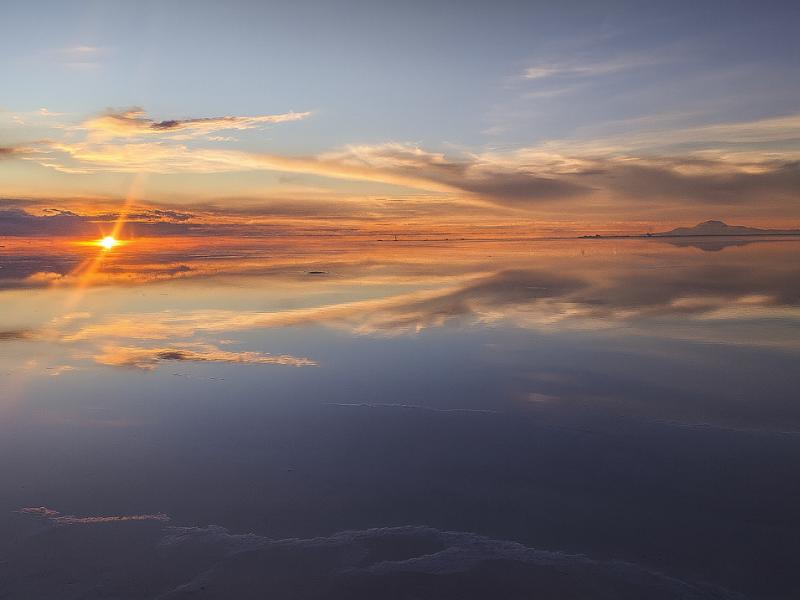
The honest answer is that it depends entirely on what you’re coming for. For mirror photography, February gives you the best odds. For the full dry-season experience with fewer crowds, May or September. For the best combination of access, mild temperatures, low crowds, and possible mirror conditions, late April or late October. For stargazing specifically, June or July but bring serious cold-weather gear. If none of these fit your dates, any month will still deliver something extraordinary.
The pattern we see across thousands of travelers: the people who try to time the trip perfectly for one specific thing – the mirror, the clear skies, the solitude – sometimes succeed and sometimes don’t. The people who come with a broader intention of experiencing the Salar as it actually is on the days they’re there rarely leave disappointed. The flat is remarkable in every condition. Cloudy days produce moody, textured landscape shots that look nothing like the typical Uyuni photo and are often more striking for it. Windy mirror days with imperfect reflections have their own strange beauty. The crust after rain has dried but before the next event shows intricate crystalline patterns that dry-season travelers never see.
One piece of advice that consistently proves right: if you can choose between July with a confirmed booking and April with flexibility, choose April with flexibility. The ability to stay an extra day if the mirror is building, or to shift your flat visit by 12 hours to catch the perfect sunrise conditions, is worth more than arriving at peak season and being locked into whatever the flat looks like on the day your tour is scheduled.
How Does Crowd Size and Tour Availability Change Throughout the Year?
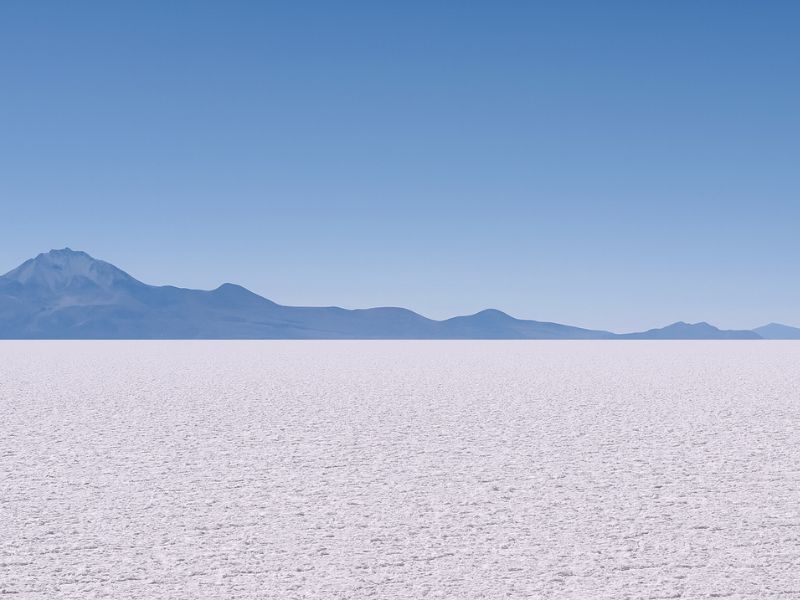
Peak crowds hit in July and August, when European and South American winter/summer holidays converge on Uyuni. Tours fill up faster, accommodation is harder to find, and tour operators have less incentive to negotiate on price. The lowest crowd periods are March, April, May, September, and October. Wet season (December to February) sits in the middle – more visitors than March but far fewer than July. Booking at least two to three weeks ahead is advisable during peak months; during shoulder seasons, more flexibility is possible.
The crowd dynamic on the flat itself matters more than crowd numbers in town. In July, a dozen jeeps might be parked at the same perspective photography spot at the same time, all trying to shoot the same angles. In April, you might have that spot entirely to yourself for 20 minutes. For photography especially, that difference is significant. Perspective shots with other jeeps visible in the background lose most of their impact. Mirror shots with other vehicles creating ripples in the water are frustrating.
Tour prices follow the crowd curve closely. In July and August, operators know they’ll fill their vehicles regardless of price. Negotiating room is limited. In March or October, operators are competing harder for available travelers and are more likely to offer upgrades, smaller group sizes, or better-included services at a given price point. If budget is a factor and the mirror is not essential, March or October offer the best value-to-experience ratio of any month.
If you want to skip researching dozens of operators, here’s our Salar de Uyuni tours comparison guide based on vehicle condition, guide knowledge, food quality, and what you actually get for different price points.
Planning Takeaways For Your Trip
Choose the itinerary around the experience you want, the time you have and the actual services included. Check the guide language, transport, overnight arrangements and extra costs on the selected listing.
What Should You Pack Based on When You’re Visiting the Salar de Uyuni?
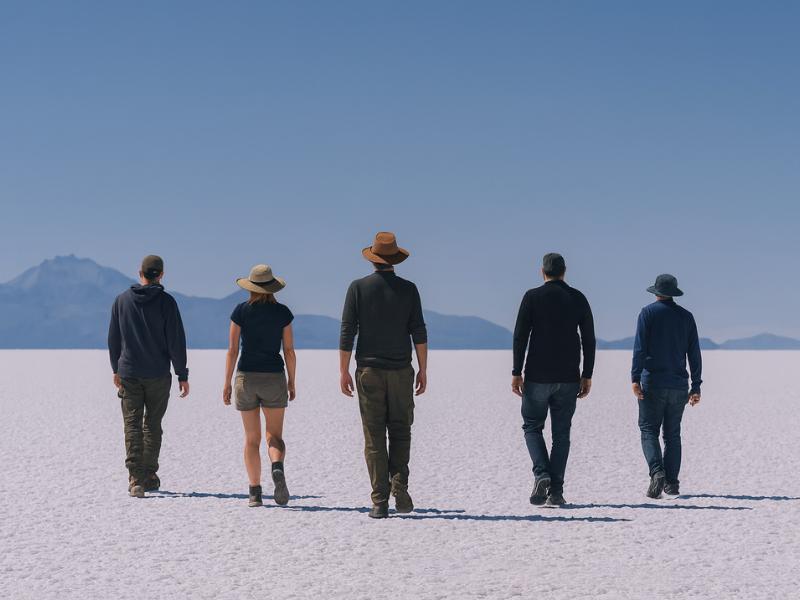
The packing list changes significantly between seasons. Both seasons require high-SPF sunscreen (the UV is intense year-round due to altitude and the reflective salt surface), a warm layer for nights, and sufficient cash since there are no ATMs beyond Uyuni town. Beyond that, wet-season visitors need waterproof footwear and a rain jacket; dry-season visitors need serious cold-weather gear – sleeping bag rated to -10°C or lower, thermal base layers, insulated jacket, gloves, and a hat. Lip balm is essential in both seasons due to the dry, high-altitude air.
| Footwear | Waterproof boots – essential for wading | Closed sturdy shoes or light boots – dry crust is firm |
| Outer Layer | Waterproof and windproof rain jacket | Insulated jacket – temperature swings 30-40°C day to night |
| Night Warmth | Sleeping bag rated to -5°C is usually sufficient | Sleeping bag rated to -10°C minimum – -15°C for June/July |
| Base Layers | One thermal layer for mornings and evenings | Two thermal layers – nights are seriously cold |
| Accessories | Gloves and hat for mornings. Less critical midday | Gloves, hat, scarf – wear them on the flat at dawn |
| Sunscreen | High SPF – UV is intense despite clouds | High SPF – salt reflects UV back at you from below |
| Camera Gear | Weatherproof bags or zip-locks – salt water damages gear | Microfiber cloth – salt dust gets into everything |
| Polarizing Filter | Remove it for mirror shots – it kills the reflection | Use it to manage glare off the white crust |
| Spare Batteries | Cold still drains batteries – bring extras | Cold drains batteries fast – carry them inside your jacket |
| Props for Photos | Less useful during mirror season – reflections are the shot | Essential – toy dinosaurs, figures, anything medium-sized |
| Cash (Bolivianos) | Bring enough for entry fees, tips, extras – no ATMs on route | Same – no ATMs beyond Uyuni town. Small bills preferred |
Two things that consistently catch travelers off guard regardless of season. First, the UV is brutal even on overcast days. The salt surface reflects UV back upward, meaning you’re getting hit from two directions at once. People who carefully apply sunscreen to their face and forget their neck and hands come back burned in places they didn’t expect. Second, camera batteries die faster than you think at altitude and in cold. Keep spares warm in a jacket pocket rather than in a bag where they’ll discharge before you need them.
One wet-season specific note: don’t wear your best shoes on the flat. Salt water is corrosive. It ruins shoes, seeps into stitching, and wrecks camera bags that aren’t properly sealed. Anything that touches the wet surface during wet season should be something you’re comfortable sacrificing or cleaning thoroughly afterward. Waterproof boots with gaiters are the right call. Flip flops work for short wading sessions but leave your feet exposed to the sharp salt edges at depth.
Not sure what to pack? I’ve broken down what to wear in Salar de Uyuni tours so you’re prepared for blinding sun on white salt, freezing night temperatures, and brutal UV exposure at 3,600+ meters.
Frequently Asked Questions
Is the mirror effect guaranteed during wet season?
No. The mirror requires recent rain, no wind, and a water depth of 2 to 20 centimeters. These conditions are most common January through early March, with February offering the best odds. But conditions can change overnight in either direction – a windy day can ruin the reflection; a rainstorm after a dry spell can create it from nothing. Building extra days into your schedule is the most reliable strategy.
What month has the fewest tourists at Salar de Uyuni?
March, April, and October consistently have the lowest visitor numbers. The shoulder months on either side of the two peak periods (July to August for dry-season crowds, and January to February for wet-season popularity) offer noticeably quieter conditions with nearly identical quality of experience.
Can you visit the Salar de Uyuni in December or January?
Yes, and many people do. December to February is when mirror conditions are most likely. The practical challenges – tour cancellations due to flooding, Incahuasi inaccessibility, road conditions – are real but manageable with a flexible itinerary and a good operator. Avoid New Year’s week if possible, as some services reduce during that period.
How cold does it actually get at Salar de Uyuni at night?
In the dry season core months (June to August), nighttime temperatures regularly fall to -5°C to -15°C and can drop lower. Budget accommodation is unheated. A proper sleeping bag is essential, not optional. In wet season, nights are considerably milder – often staying just above or near 0°C.
Is Salar de Uyuni worth visiting in the shoulder months?
Late April and October to November are genuinely excellent. You get mild temperatures, low crowds, full access to all sites, and in some years, residual or early mirror conditions. The shoulder months are consistently underrated in travel content that focuses exclusively on the two seasonal peaks.
When is stargazing best at Salar de Uyuni?
June through August offer the best stargazing conditions: generally clearer skies, maximum dry-air transparency, and the Milky Way arching directly overhead. Plan around the new moon for the darkest skies. If there is still a shallow water layer from a recent rain event, the flat becomes a mirror for the stars – one of the most photographed phenomena at Uyuni.
Choose Your Uyuni Experience
Choose the itinerary that fits, then check your travel date before arranging onward transport or separate rooms.
Initial editorial recommendation. No preferences have been entered.
Salt Flats And Sunset Day Trip
A full salt-flat day with lunch, an English-speaking guide and sunset.
Rain boots included; Incahuasi entry costs extra. Colchani hotel pickup has a surcharge.Scheduled dates load automatically. Availability and final price are confirmed on Viator.
No verified tour meets all of these preferences. Adjust the choices below or reset.
Compare Options And Tailor Your Choice
- Two Days On The Salt Flats (2 days): An overnight salt-flat route with sunset, a hostel stay and an English-speaking driver-guide. Park and museum fees, water and snacks cost extra. Mirror reflections depend on surface water.
- Private Starlight And Sunrise (4–5 hours): A private outing for the salt-flat night sky and sunrise, with hotel pickup and hot drinks. Confirm the departure time: the listing contains conflicting time details. Clear skies and reflections are not guaranteed.
- Sunset And Starlights (4 hours): Watch sunset and stay for the night sky on a four-hour outing from Uyuni. Choose the guide language when booking. Waterproof wellies are listed; skies and reflections depend on conditions. Age eligibility must be confirmed.
- Salt Flats And Colored Lagoons (3 days): Combine the salt flats with colored lagoons, meals and an English-speaking driver-guide. Lodging descriptions conflict on private bathrooms; confirm both nights. Park fees and the optional Chile transfer cost extra.
Compare Your Complete Quotes
Use the same currency for both totals, including transport, rooms, meals and fees for your whole party.
Affiliate links: we may earn a commission when you book, at no extra cost to you.